
Bauhaus Style
Form follows function.
The Bauhaus, an architectural school founded by Walter Gropius in 1918, introduced a design principle that would dominate architecture and interior design for the rest of the century: form follows function.
The original Bauhaus aimed to create decent housing for the post-WWI German worker. Emanating from the Arts and Crafts movement, Bauhaus emerged as a post-war design style that favored simplicity. However, unlike Arts and Crafts, Bauhaus embraced technology, new materials, and the mass production of furnishings and fixtures.
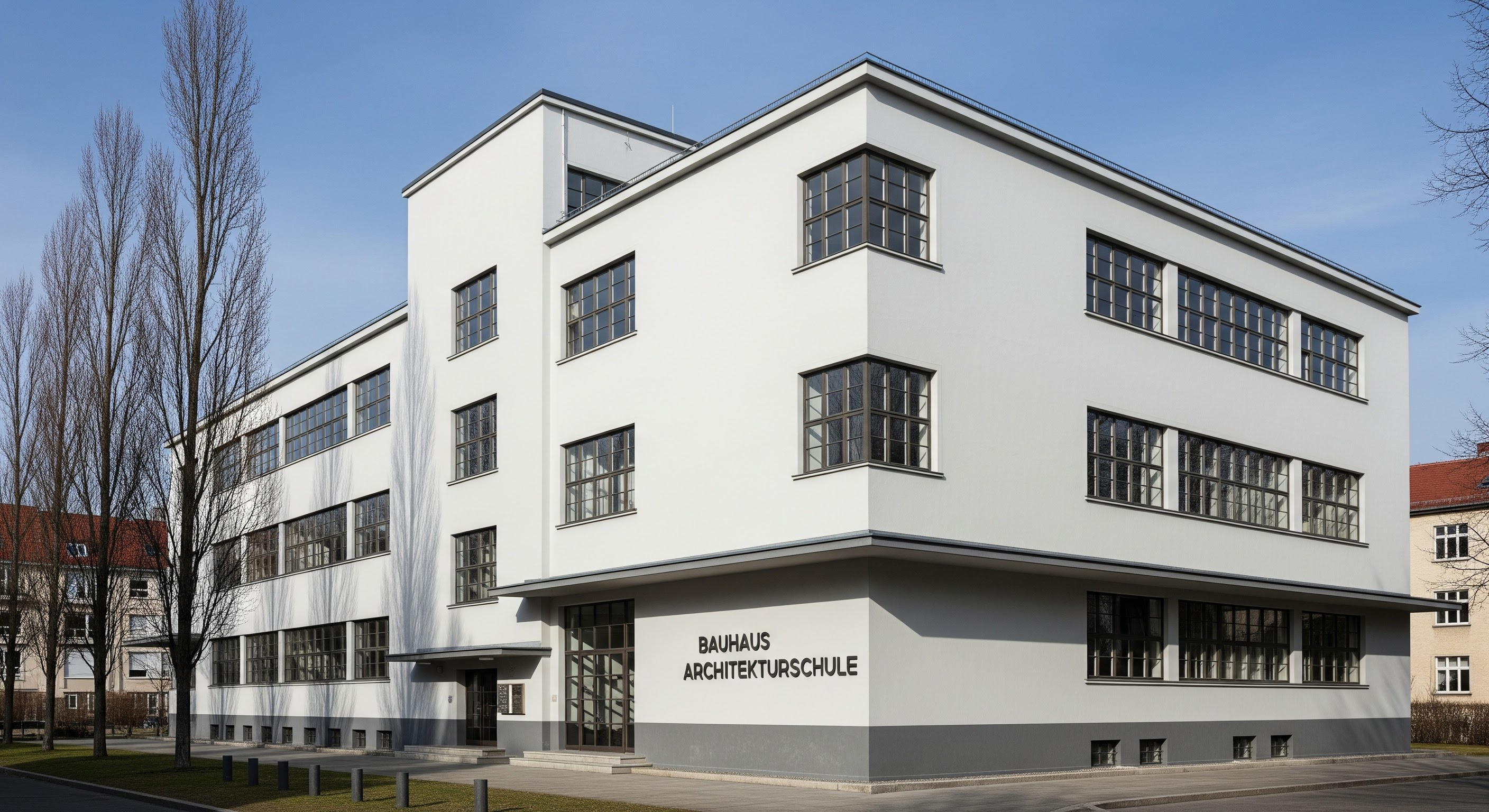
Gropius and his followers created classical forms without extraneous ornament. They stressed the search for solutions to contemporary design problems in areas like urban planning, housing, and utilitarian mass production methods. Proportion, clarity, and honest construction were celebrated: what you see should be what the object is, and how it’s made should feel inevitable.
The Bauhaus school also offered courses in music, drama, and particularly painting. Thus the Bauhaus was rooted in the Arts and Crafts movement but with vision firmly set on the requirements and opportunities of its day—where art, craft, and industry could work as one system. Color theory, geometry, and composition weren’t “decorative extras”; they were tools for shaping daily life with discipline and purpose.
The Bauhaus principles quickly caught on in the international design community, becoming strongly influential in architectural design. Bauhaus buildings, with their various workshops, studios, school, and administrative offices, helped establish the principles of the International Style—an expression of the machine age as the Europeans of the 1920’s wished to see it. The floor plan was designed as a series of cells, each with a specific function, becoming a direct expression, in glass, steel, and thin concrete, of the use of the building (that is, the function – hence form follows function).
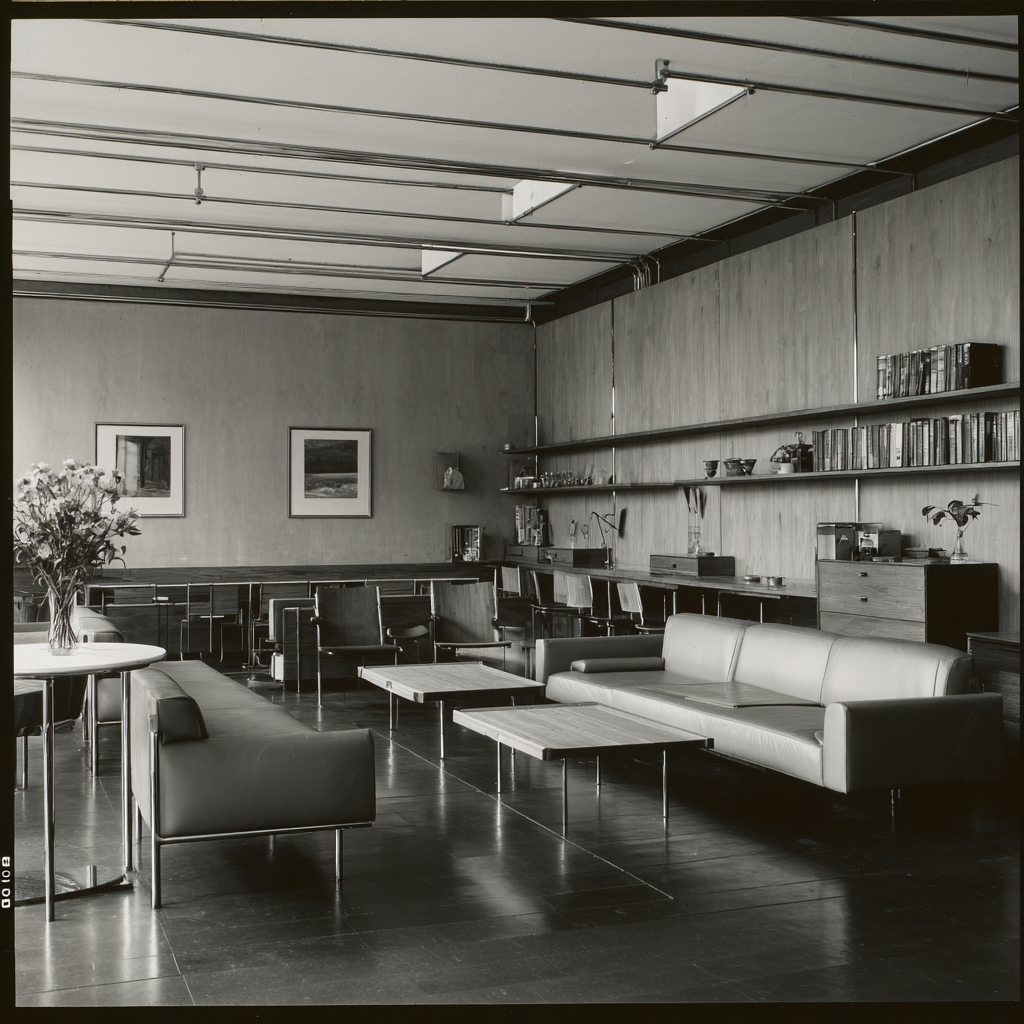
The feel of a Bauhaus interior is contemporary and modern—calm, bright, and deliberately uncluttered. Plain white walls with no moldings and narrow baseboards are de rigueur. Window frames should be simple. Huge picture windows, even walls of glass, are emblematic of this style. The floor plan should be as open as possible, and the space divided with modular furniture, low cabinets, bookcases, or perhaps a partial wall made of glass bricks.
Furniture
Furniture in a Bauhaus interior is defined by clean geometry and visible structure. Think of seating with taut upholstery and purposeful lines—chairs with tubular metal frames, cantilevered silhouettes, or slim wooden frames that feel almost architectural. Sofas tend to be low and linear, with firm cushions and squared arms. Tables are spare and balanced: round tops on simple pedestals, or rectangular surfaces supported by steel legs with no unnecessary flourish. Storage is modular and efficient—stacking cabinets, open shelving, and built-ins that visually “disappear” into the room rather than dominate it.
Lighting
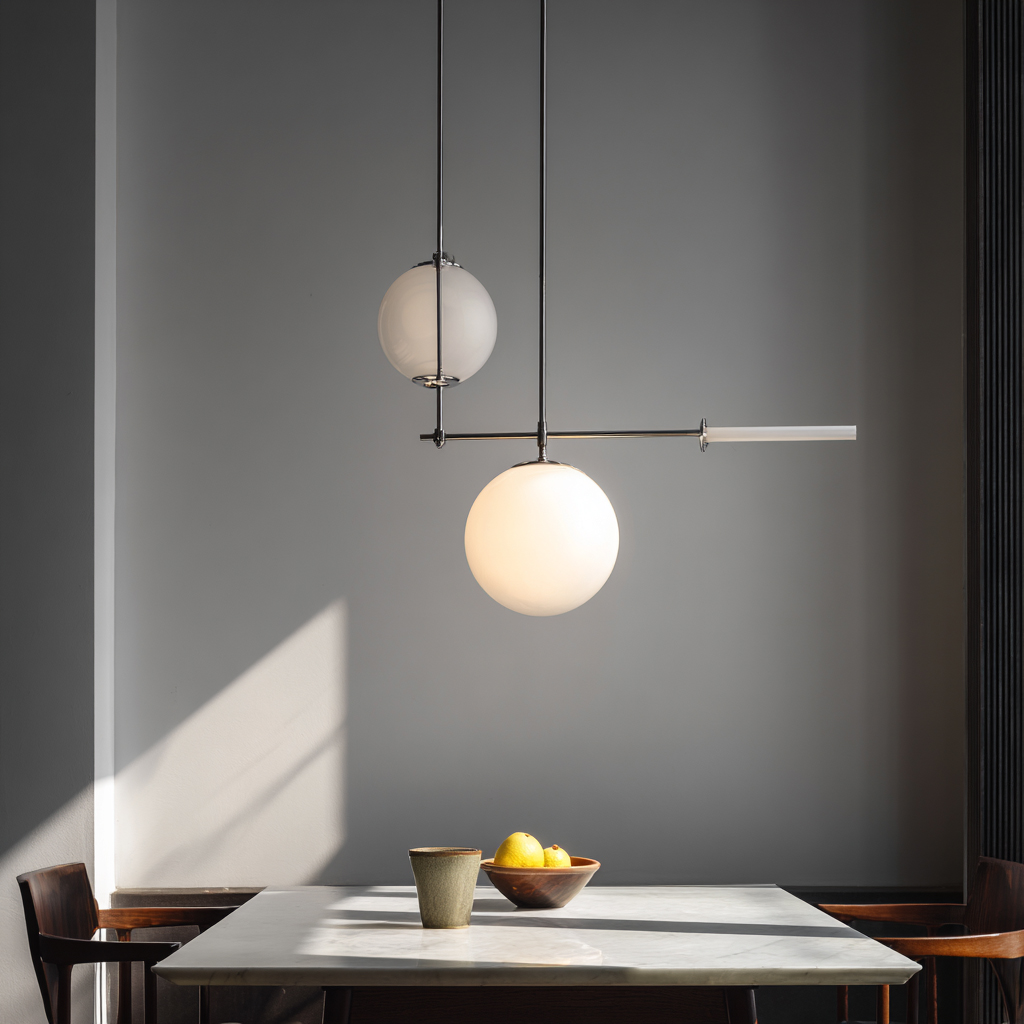
Lighting follows the same logic: functional, graphic, and often sculptural in its simplicity. Pendant lamps are typically globe, dome, or cylinder forms—frosted glass, opal glass, or enameled metal—hung with disciplined spacing over dining tables or work surfaces. Floor lamps read like diagrams: slender stems, adjustable arms, and a clear relationship between the switch, shade, and beam of light. Wall sconces are minimal and purposeful, washing light across a white surface to amplify brightness and shadow. Whenever possible, natural light does the heavy lifting—Bauhaus rooms feel best when daylight is treated like a material.
Materials are honest and modern: steel, chrome, glass, lacquer, and smooth wood surfaces. Floors often lean toward simple planks, polished concrete, or restrained tile—quiet backdrops that allow form and light to stand out. Textiles are plain but high-quality: wool, felt, canvas, and tightly woven cottons in solids or subtle weaves. Instead of ornate patterns, Bauhaus favors bold blocks of color used with intention—like punctuation in an otherwise neutral sentence.
Objects and decor
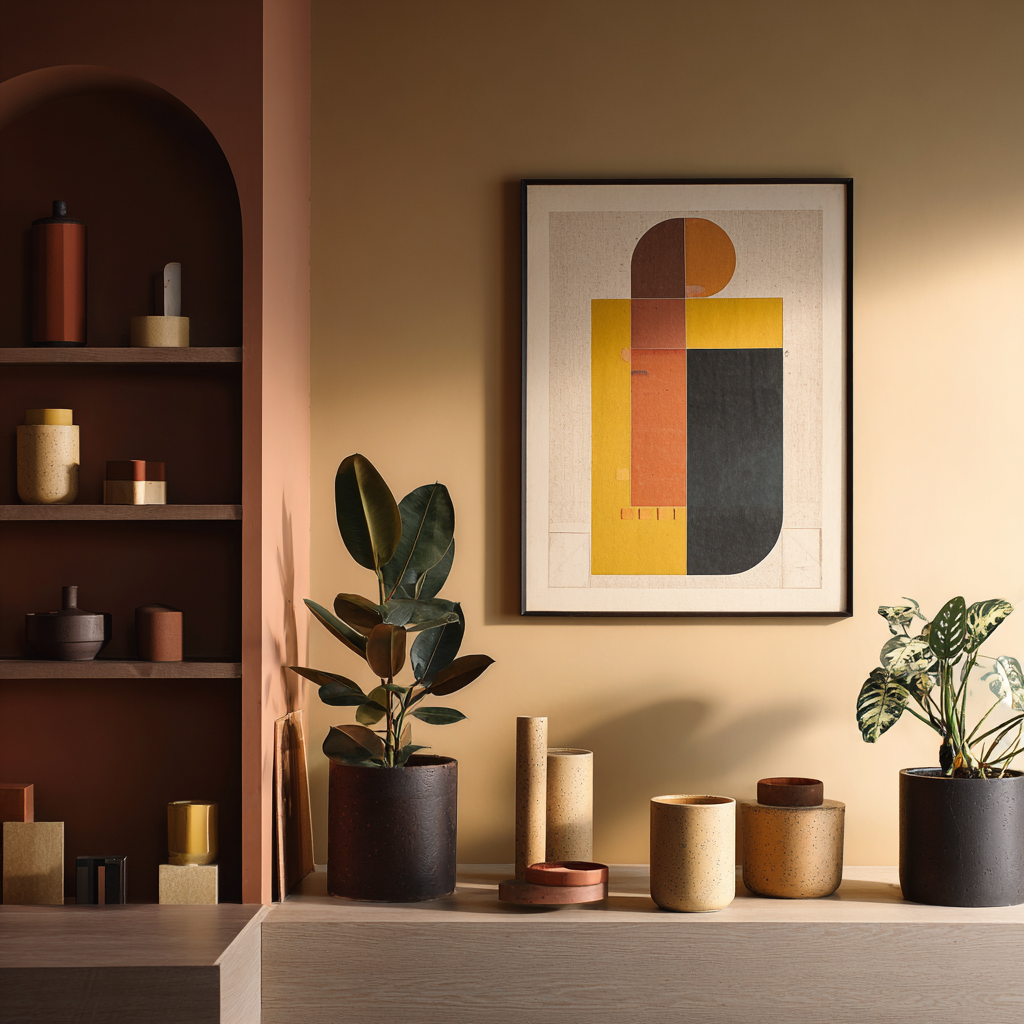
Objects and decor are curated, not accumulated. A Bauhaus room might feature one striking poster-style graphic, a geometric textile, or a single sculptural vase rather than a gallery of small knickknacks. Wall art often emphasizes abstraction, grids, and strong typographic forms. Everyday objects—ceramics, desk accessories, even tableware—should feel designed: simple profiles, clean edges, and a sense that each piece has a job to do. If you add plants, keep the containers minimal—matte ceramic cylinders, squared planters, or simple terracotta used as a neutral form.
Color is typically restrained: white, black, and grays form the foundation, with accents chosen deliberately. Classic Bauhaus accents include primary red, blue, and yellow, plus occasional muted greens. The key is restraint—one or two accent colors repeated across the room (a chair, a poster, a cushion) rather than scattered like confetti.
To create the Bauhaus feeling, focus on clarity: an open plan, strong geometry, purposeful lighting, and furniture that acts like a toolkit for living. Remove what doesn’t earn its place. Let structure show, let daylight lead, and let a few well-chosen objects carry the personality.
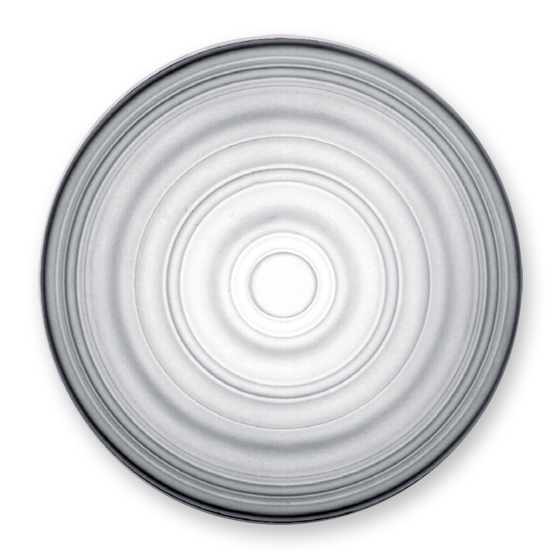 Item CP666
Bauhaus Style architectural details and ornamentation!
Ceiling medallions, cornices and moldings. Authentic Period and Historic Home architectural ornamentation.
All crafted in genuine plaster. For commercial and residential environments.
Color Essentials

Fundimentals of color. It will set you free!
Using color at home or in the office - for paintings, furniture or any artistic challenge - takes a good eye, a little know how, and a creative imagination. Create custom color schemes and color effects in your home or office. Learn how to use the best base color, create a glaze, mixing colors, and more.
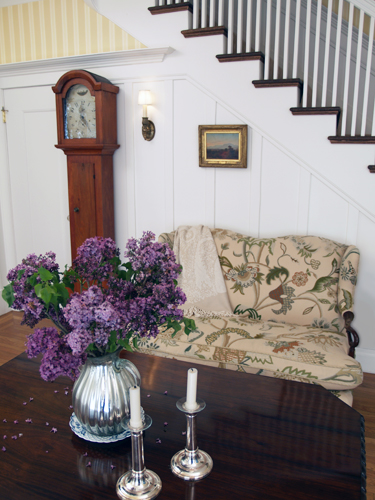
Early American Style
Colonial Amercians drew inspriation from their European heritage. Curent design styles would filter across the ocean and become reinventedin early America. Proportion and scale took reign over ornementation, A neutral color palette of grey blue, greens and rose pinks is readily apparent.
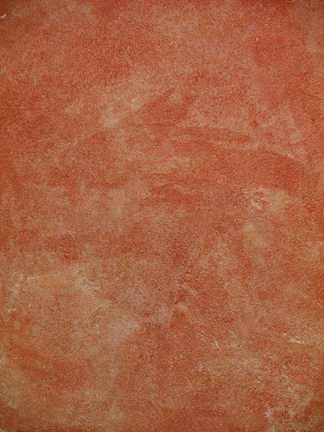
Stucco Rustico - Aged Plaster
Stucco Rustico is a Traditional interior and exterior textured plaster that epitomizes the rustic old world charm commonly associated with Tuscan environments. I love this treatment for its ease of application and the natural, organic glazed appearance that results when using mineral based plasters and glazes. Whether a rough application or a smooth finish, this treatment holds true to the test of time and, in fact, feels as if time itself stopped to wash the walls personally.
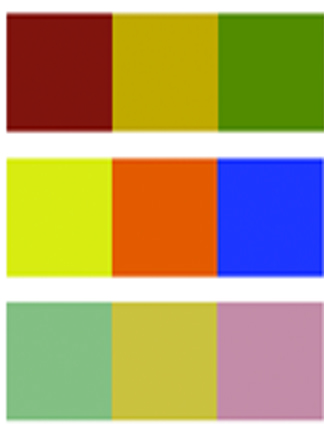
The Rustic Color Palette
The Rustic Style color palette falls within a distinct range of color tones and is essential in creating a successful Rustic interior. By using the appropriate color tones you can create a variety of design styles ranging from Period and Historic, regional or thematic. Color helps define our experiences within an interior and exterior environment. It affects us on a physical, emotional, and spiritual level and can be calming and passive, expressive and vital.
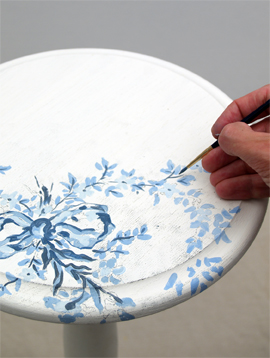
Painted Floral Details
Floral patterns used as accents in fabrics and furniture are common place details in the English Country home. These graceful and organic patterns complement the cozy interior of this style and work particularly well with lace window treatments, an heirloom tea service set and the natural and rustic charm of wooden ceiling beams and slightly irregularly textured walls.