
Design
Understand your design style!
Geographic, Thematic, Historic

Creating your own design style isn’t about following trends or copying finished rooms—it’s about uncovering what already resonates with you. Your experiences, instincts, and personal tastes naturally shape how you respond to color, texture, and space.
When design feels authentic, it supports the way you live and reflects who you are.
Thoughtful design allows you to live your way, whether you are shaping a home, office, or commercial environment. By exploring ideas across time and place, patterns begin to emerge—materials you’re drawn to, colors that feel grounding, and details that consistently capture your attention.
As you experiment, your style naturally becomes clearer. Small, intentional choices—how light moves across a surface or how textures layer within a room—begin to tell a cohesive story. Design becomes less about rules and more about awareness.
Your design style will continue to evolve as you do. By staying curious and open, you create spaces that feel personal, expressive, and timeless—spaces that spark creativity and make you feel at home.
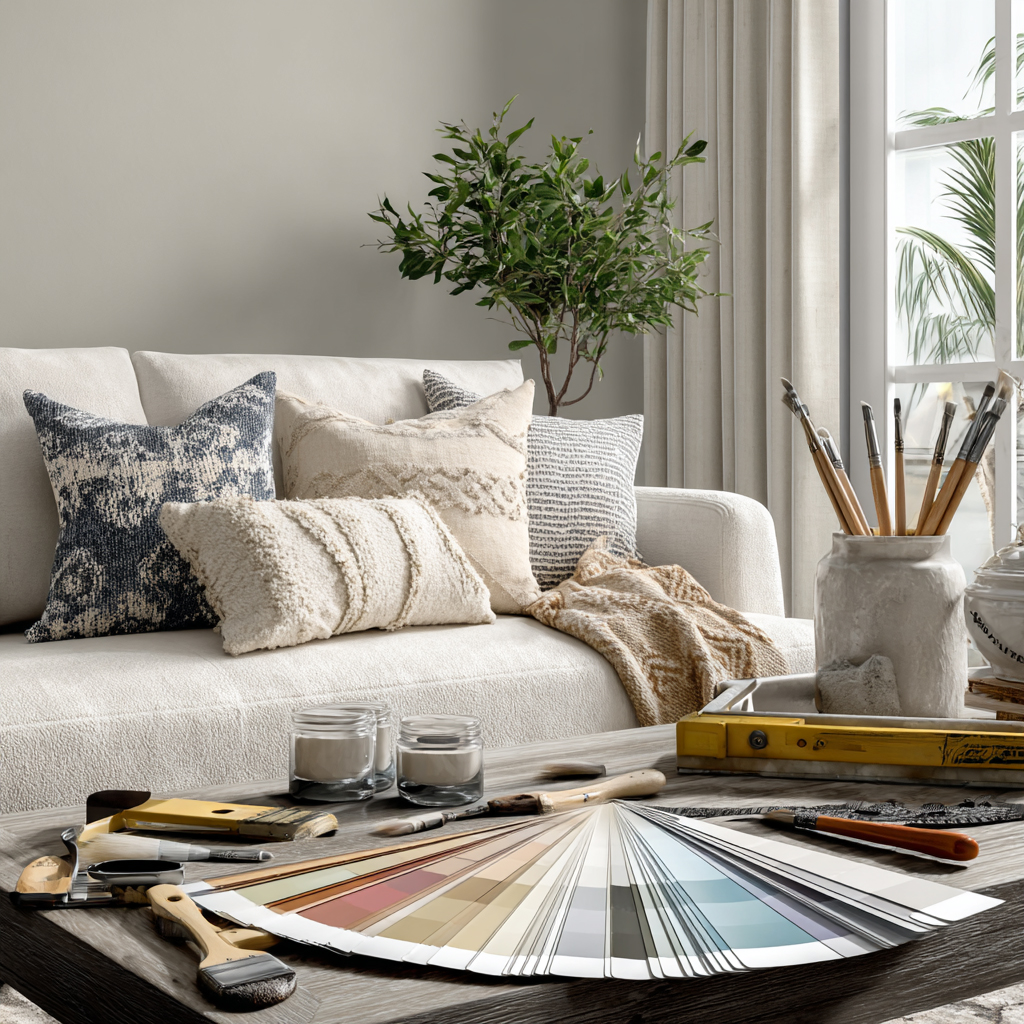
Geographic, Thematic, Historic
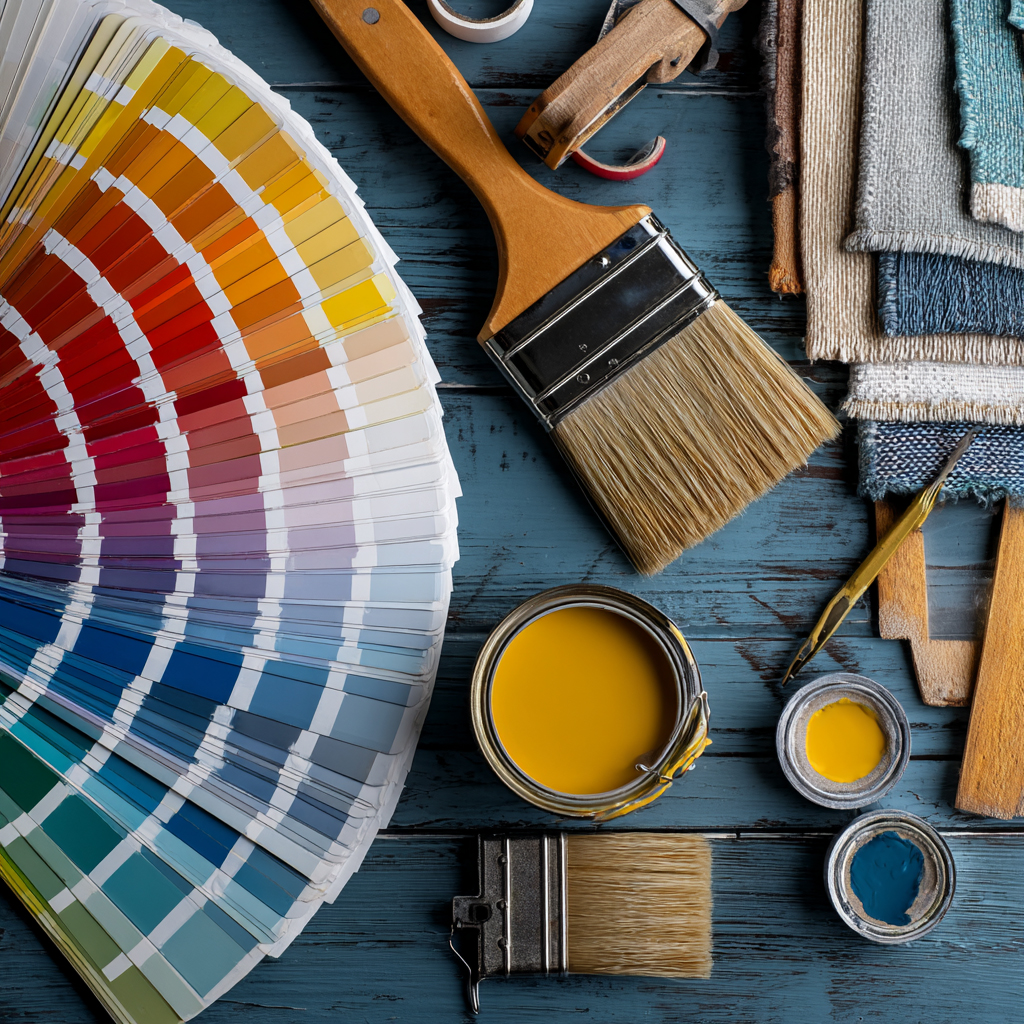

The color palette is a fundamental aspect of interior design style. It sets the overall mood and atmosphere of a space. Different color combinations evoke different emotions and can greatly influence the overall aesthetic. Whether it's bold and vibrant or soft and neutral, the chosen color palette sets the foundation for the rest of the design elements.
Learn more about designing with color.
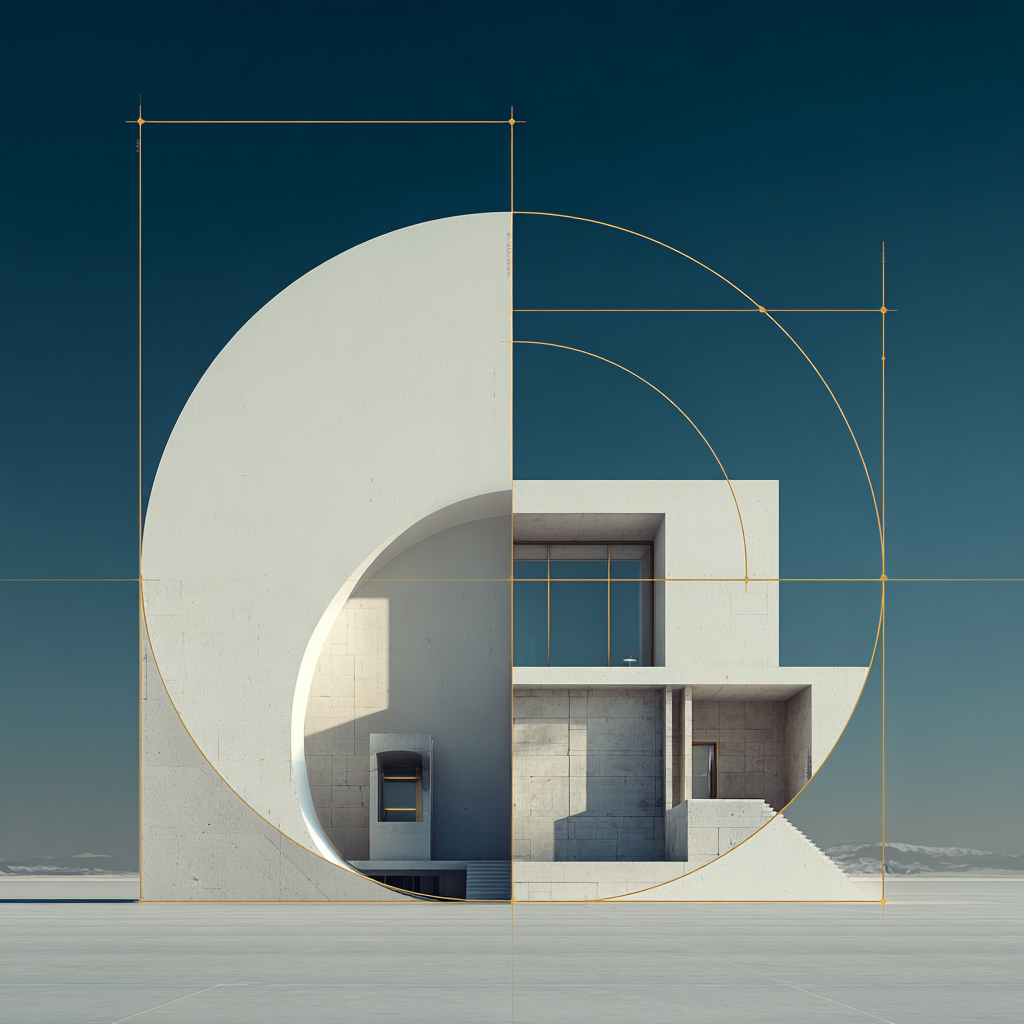
Scale and proportion refer to the size, balance, and relationship of objects and elements within a space. It is crucial to maintain harmony and visual balance in terms of the size and placement of furniture, architectural features, and decorative items. Proper scale and proportion ensure that elements relate to one another and to the overall space in a pleasing and cohesive way. Whether it's considering the height and width of furniture pieces or the size of artwork in relation to a wall, careful attention to scale and proportion is essential for achieving a well-balanced and visually appealing interior design style
Learn more about scale in proportion for interior design and decorative arts.
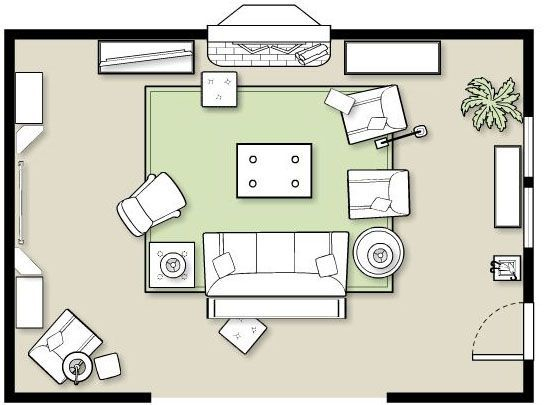
The selection and arrangement of furniture play a crucial role in defining the style of an interior. Furniture choices should be aligned with the desired style, whether it's modern, minimalist, traditional, or eclectic. The layout of furniture affects the flow and functionality of the space, ensuring comfort and practicality while maintaining the chosen aesthetic.
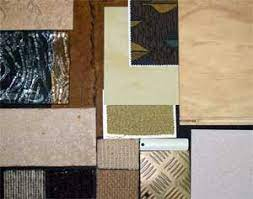
Texture and materials add depth, visual interest, and tactile appeal to an interior. The selection of materials, such as wood, metal, glass, fabric, and their textures, contributes to the overall style. Whether it's the smoothness of polished marble, the warmth of natural wood, or the richness of velvet, the right combination of textures and materials enhances the visual and sensory experience of a space.
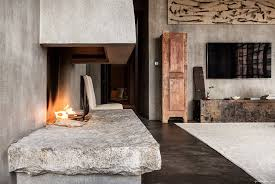
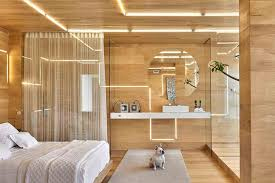
Lighting is a critical element that can dramatically impact the ambiance and functionality of a space. The type, intensity, and placement of lighting fixtures can create various effects and highlight specific design elements. Whether it's natural light, artificial lighting, or a combination of both, a well-designed lighting scheme enhances the overall style and mood of the interior.
Patterns and textiles bring personality and visual interest to an interior. Whether through wallpapers, upholstery, rugs, or curtains, patterns add depth and can reinforce the chosen design style. They can range from intricate geometric patterns to floral motifs or even bold abstract designs. The selection and coordination of textiles, including their colors and textures, contribute to the overall visual harmony of the space.
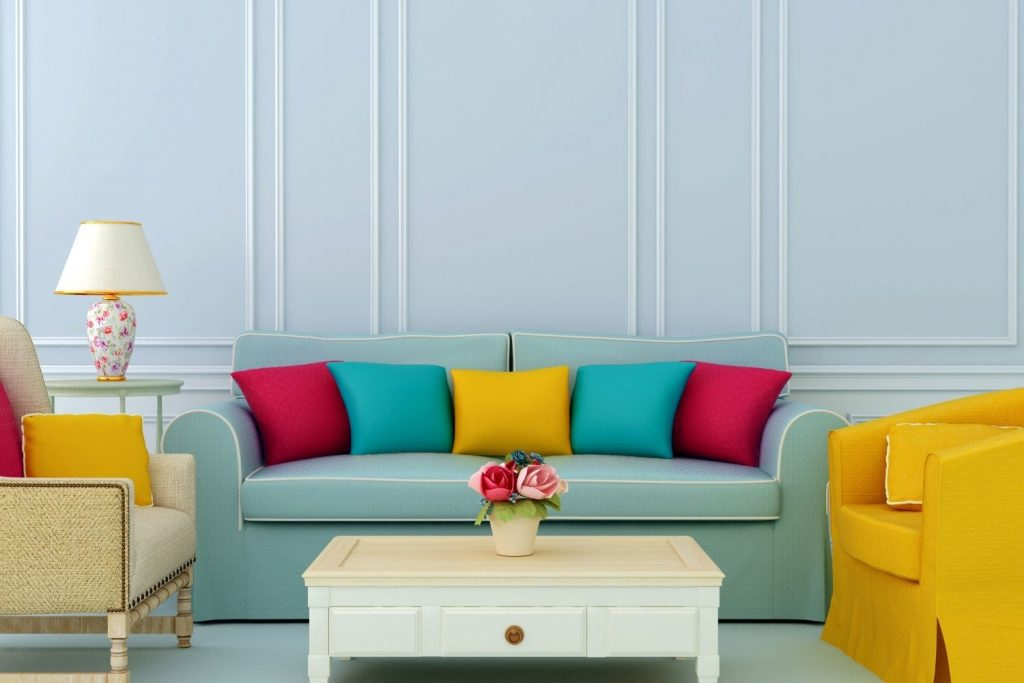
Accessories and decorative elements are the finishing touches that complete the interior design style. These include artwork, decorative objects, sculptures, plants, and other personal touches. They reflect the owner's taste and can serve as focal points or accents that enhance the overall aesthetic. Thoughtfully chosen and placed accessories add character, tell a story, and contribute to the overall design narrative of the space.
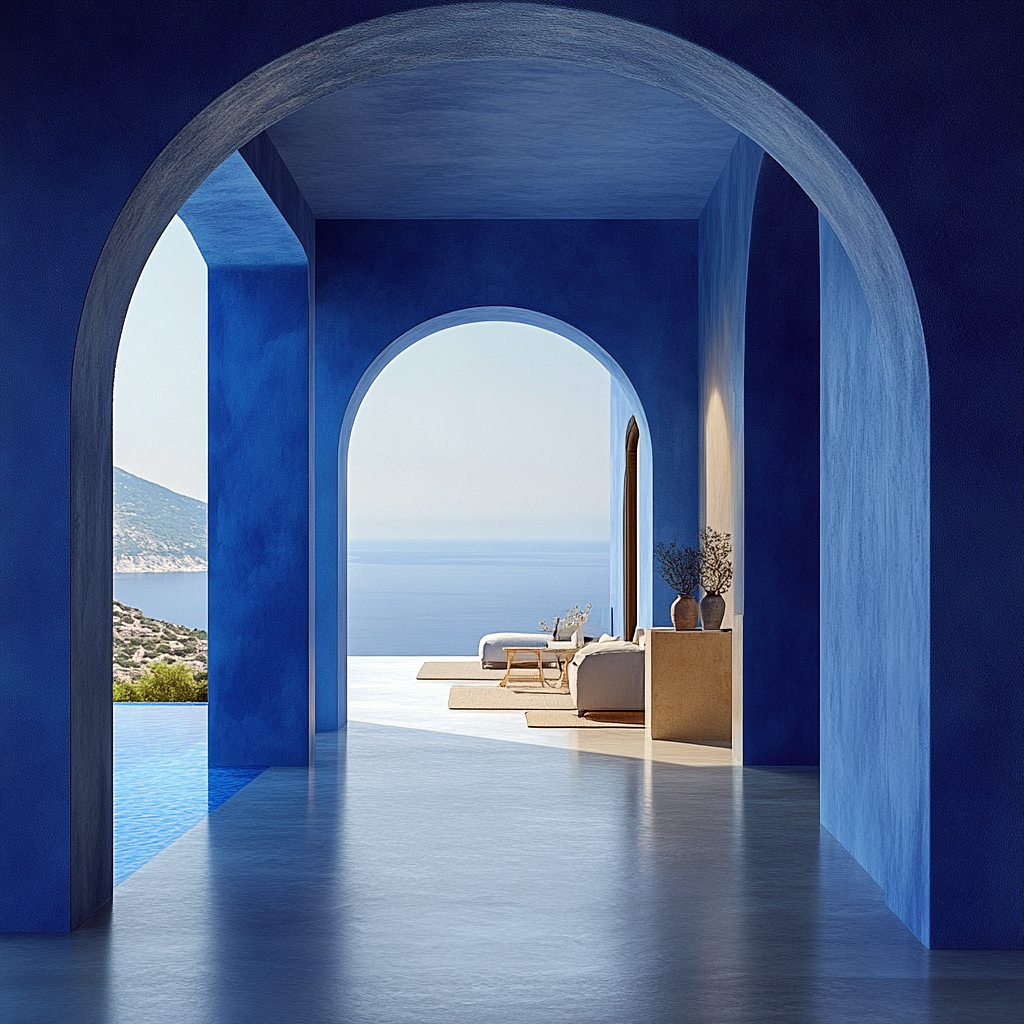
Transform your walls with ease using our professionally pre-mixed glazes. Whether you're after a subtle wash or a bold decorative finish, these ready-to-use glazes make it simple to get started.
Want your own custom color? We've got you covered. Choose any shade from major paint brands—just send us the paint name and number, and we’ll create a glaze matched to your specs. Available for both interior and exterior projects.
Perfect for timeless techniques like: Colorwashing, Dragging, Strié, Antiquing, and Furniture finishes.
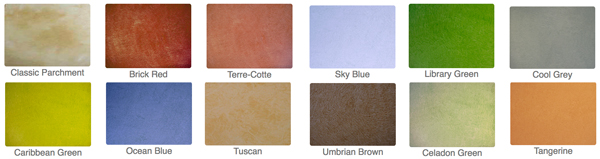
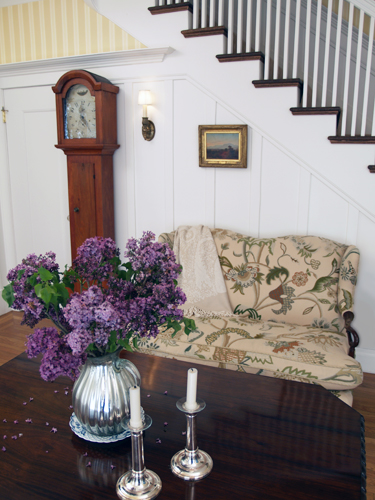
Colonial Amercians drew inspriation from their European heritage. Curent design styles would filter across the ocean and become reinventedin early America. Proportion and scale took reign over ornementation, A neutral color palette of grey blue, greens and rose pinks is readily apparent.
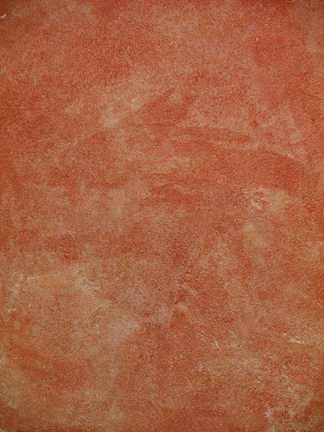
Stucco Rustico is a Traditional interior and exterior textured plaster that epitomizes the rustic old world charm commonly associated with Tuscan environments. I love this treatment for its ease of application and the natural, organic glazed appearance that results when using mineral based plasters and glazes. Whether a rough application or a smooth finish, this treatment holds true to the test of time and, in fact, feels as if time itself stopped to wash the walls personally.
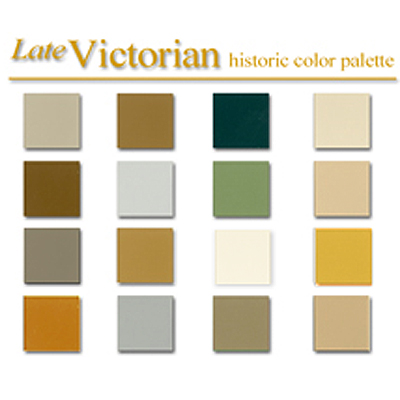
The Rustic Style color palette falls within a distinct range of color tones and is essential in creating a successful Rustic interior. By using the appropriate color tones you can create a variety of design styles ranging from Period and Historic, regional or thematic. Color helps define our experiences within an interior and exterior environment. It affects us on a physical, emotional, and spiritual level and can be calming and passive, expressive and vital.
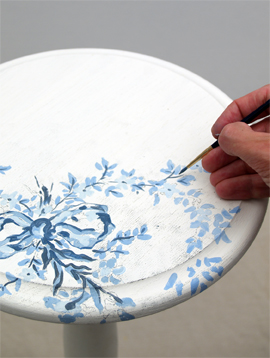
Floral patterns used as accents in fabrics and furniture are common place details in the English Country home. These graceful and organic patterns complement the cozy interior of this style and work particularly well with lace window treatments, an heirloom tea service set and the natural and rustic charm of wooden ceiling beams and slightly irregularly textured walls.