
Design
Understand your design style!
Geographic, Thematic, Historic
Bringing ideas together into a cohesive, meaningful environment is both an art and a skill. Many people feel confident choosing colors or furniture, but struggle to unify those choices into a space that truly feels intentional. At artSparx, our role is to guide you through that process—step by step—so your ideas evolve into a confident and personal design language.
While closely related, these disciplines serve different purposes. Interior design focuses on how a space functions and flows. Decorative arts focus on how surfaces, objects, and details express character and emotion. When combined thoughtfully, they create environments that feel complete, layered, and alive.
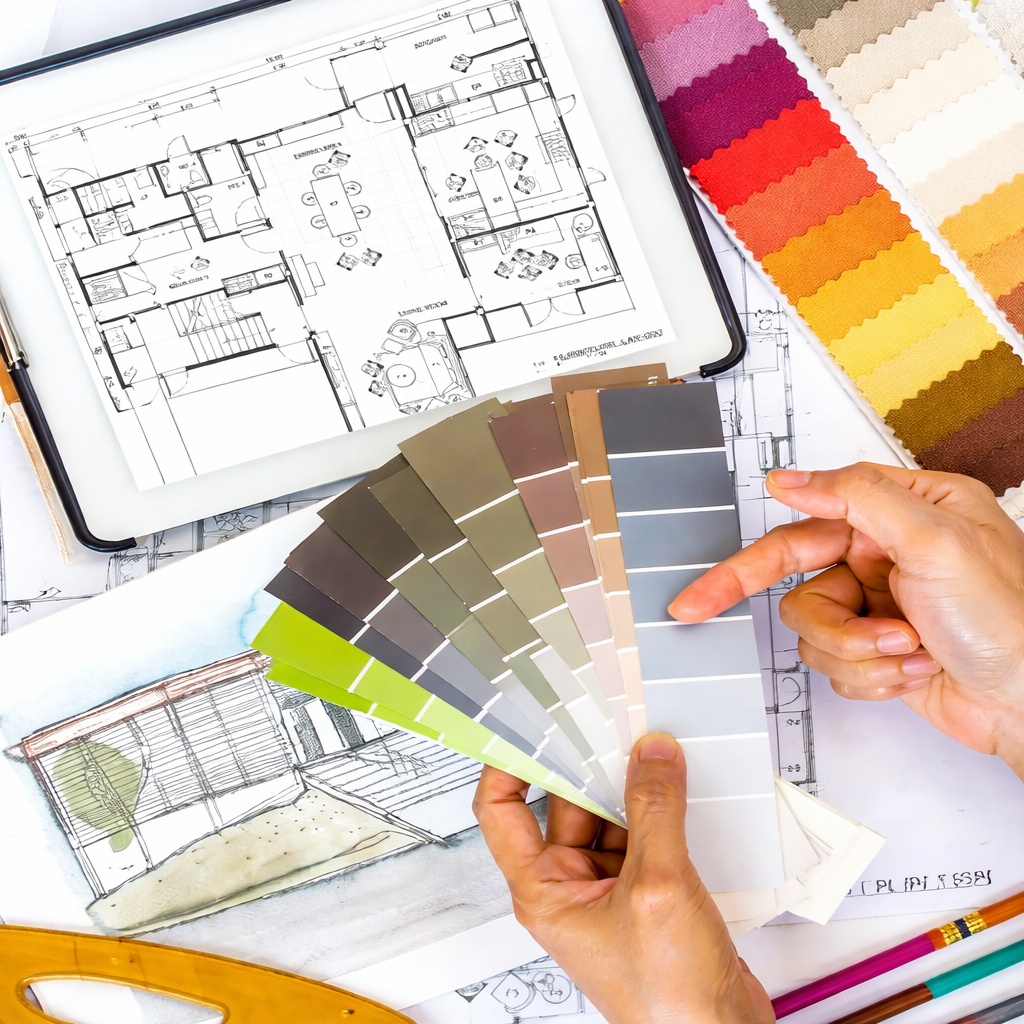
Interior design is the foundation of any successful space. It establishes structure, function, and comfort before decorative layers are applied. The key essentials include:
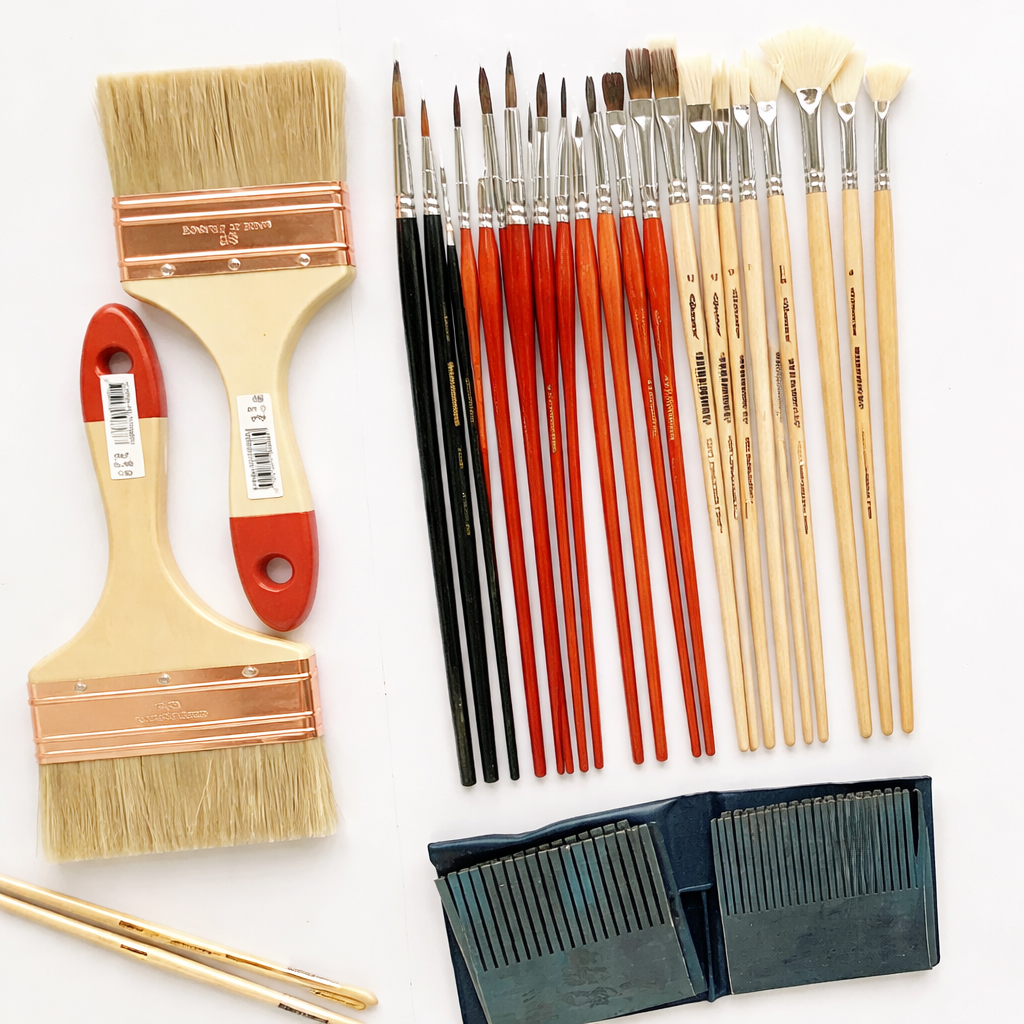
Decorative arts bring personality and craftsmanship into a space. They focus on surface treatment, hand-applied techniques, and visual storytelling. Key essentials include:
When learned together, they allow you to create spaces that feel both grounded and expressive—functional yet deeply personal.
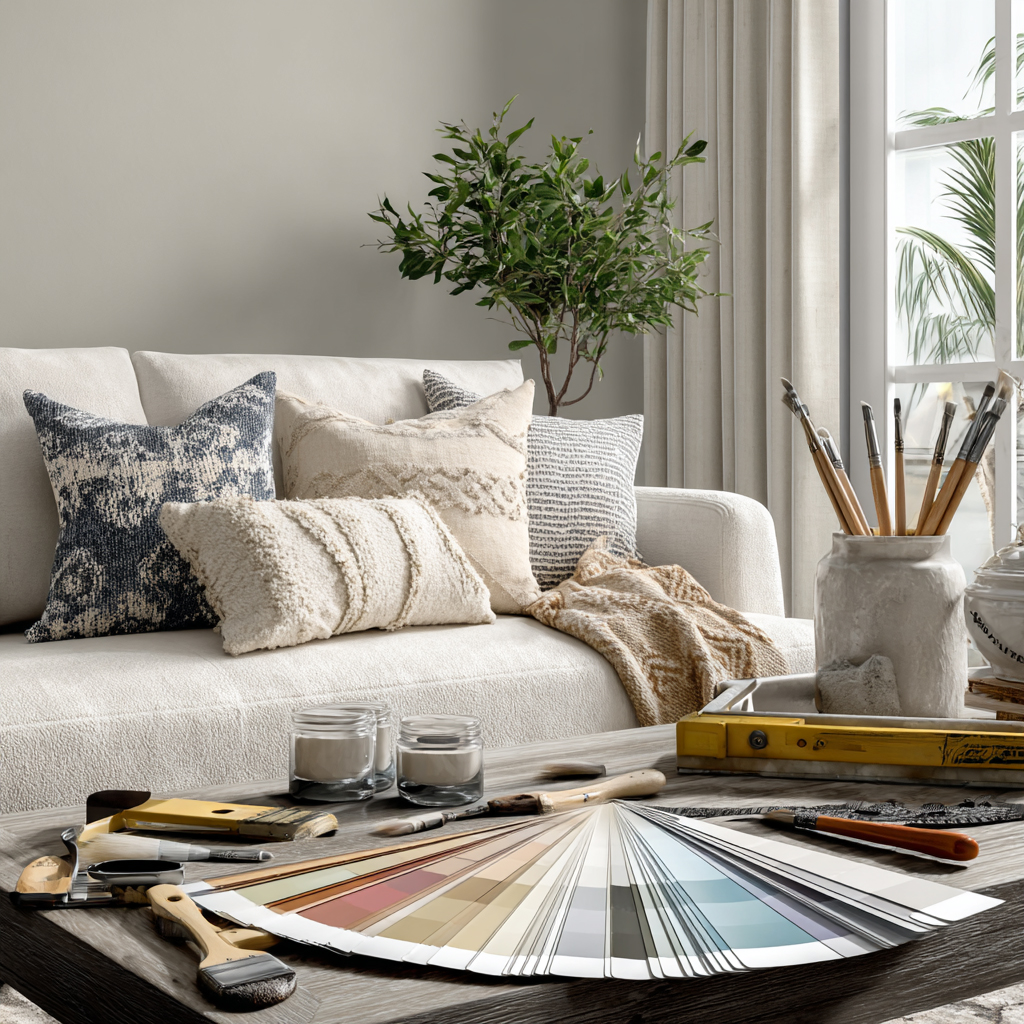
Geographic, Thematic, Historic
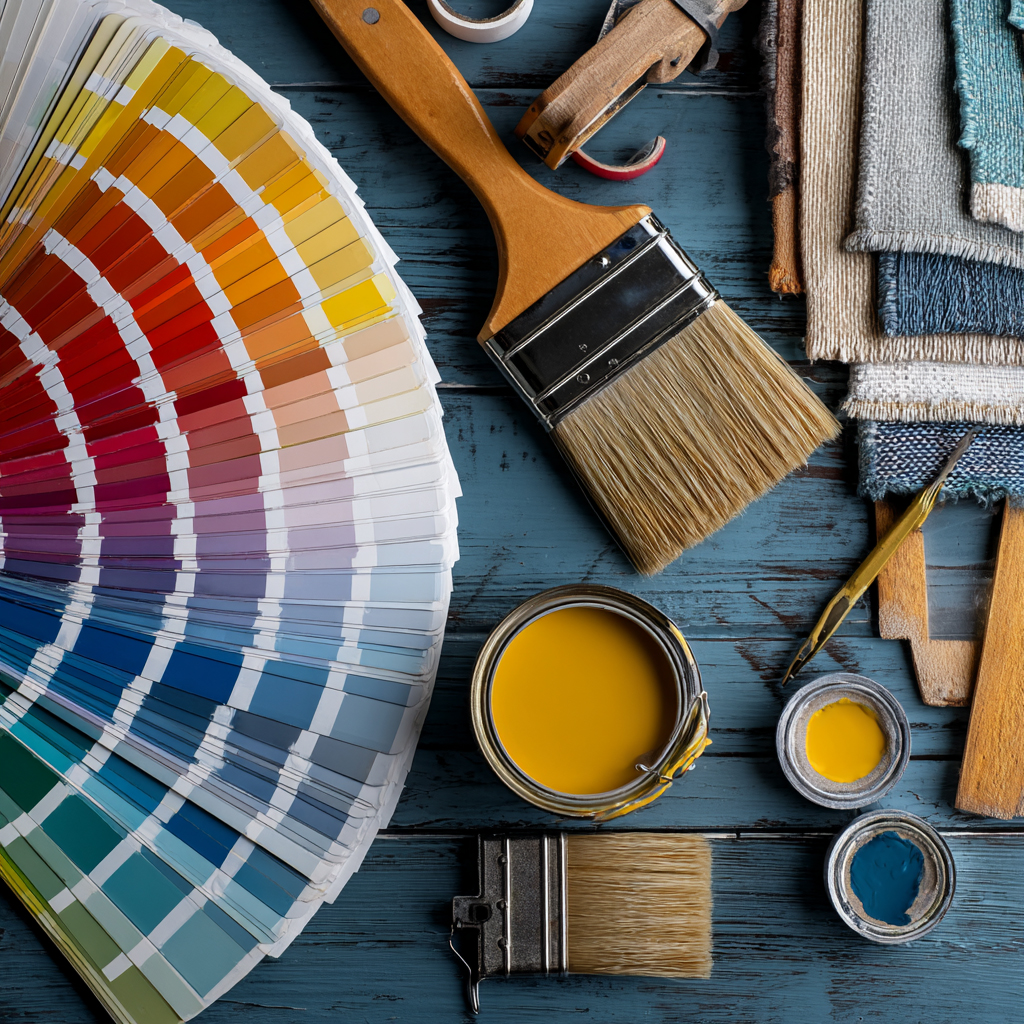
Every space you inhabit shapes how you feel, think, and move through your day. Great design isn’t accidental, it’s the result of informed choices brought together with intention. Whether you’re creating a calm retreat, a creative studio, or a welcoming place to gather, the decisions you make today directly influence how your space supports your life tomorrow.
At artSparx, we believe design should feel empowering, not intimidating. That’s why our approach focuses on helping you understand the essential building blocks of interior design and decorative arts, then guiding you step by step as you make them your own.
Before choosing colors, finishes, or furniture, take a moment to define how the space should function and feel. Is it energizing or restorative? Social or private? Refined or relaxed? These answers become the framework for every design decision that follows.
👉 Explore the Elements of Style to learn how function, proportion, and architectural features shape a successful space.
Interior design provides the structure that makes a space work. Decorative arts provide the character that makes it memorable. When you understand both, you gain the confidence to design with clarity instead of guesswork.
👉 Explore Design Styles to discover historic, geographic, and thematic references that resonate with your taste.
👉 Visit the Color Center to train your eye and gain confidence working with color.
The fastest way to build confidence is through hands-on experience. artSparx tutorials are designed to break complex techniques into clear, achievable steps—so you can practice, experiment, and grow at your own pace.
👉 Browse Step-by-Step Tutorials and begin building hands-on skills today.
The goal isn’t to copy a look—it’s to develop your own design language. As you learn the essentials and apply them repeatedly, patterns begin to emerge: colors you gravitate toward, textures you love, techniques that feel natural.
This is where design becomes personal. Structure meets creativity. Knowledge meets intuition. Your space becomes a reflection of how you live, not just how it looks.
👉 Explore Skills to Master and lay the foundation for everything you create.
Design is a journey—and every great space starts with understanding the essentials. artSparx is here to guide you, inspire you, and give you the tools to turn ideas into spaces you truly love.
Start exploring. Start creating. Start designing with confidence.
👉 Begin Your Design Essentials Journey
The goal is not to copy a style—but to develop your own synthesis of design. artSparx is built to support this journey through structured learning, visual examples, and hands-on tutorials.
With time, repetition, and guided exploration, these essentials come together naturally. artSparx exists to help you build that foundation—so every space you create feels intentional, expressive, and uniquely your own.