
Baroque Style
Understanding the Baroque architectural design style.
The Baroque is a period of artistic style that started around 1600 in Rome, Italy, and spread throughout the majority of Europe during the 17th and 18th centuries.
In the Rome and Paris of the seventeenth century, the houses of the wealthy and powerful reached new levels of dynamism and grandeur. In Baroque design everything from furniture to building facades spilled over with carvings of birds, beasts, fruit and flowers. Elaborate decoration overwhelmed the senses, often alongside fantastic works of painting and sculpture.
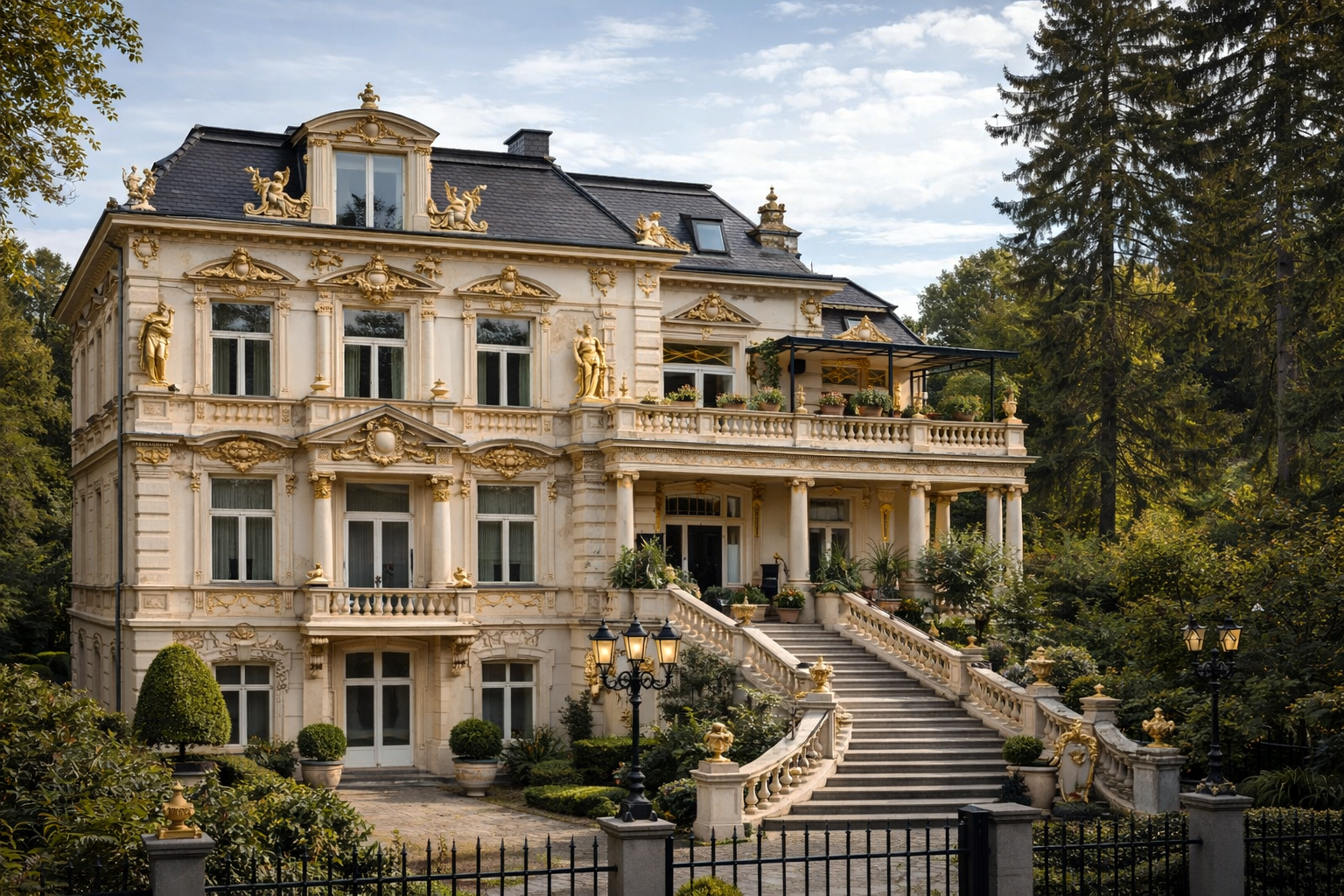
Baroque domestic architecture was theatrical, extravagant, seeking to flaunt wealth and astonish the viewer. Where Renaissance design had appealed to the intellect, the Baroque style worked on the emotions. Even Counter reformation religious conversions were miraculous visions inspired by lavishly ornamented churches and flamboyant devotional art.
If you don't have the means to build your own Palace of Versailles, you can create Baroque opulence with a few well-chosen pieces and the right decorative objects. Materials should be luxurious: silk, damask, velvet, tapestry. Colors should be strong and placed in bold, regal combinations like purple and ochre, indigo and gold. Baroque decorative arts are intricate and rich: large Chinese floral motifs, carved and painted geometric designs, wood inlaid with gold, ebony, or mother of pearl.
Some of the most iconic artists of the 16th - 18th century Baroque painters are Peter Paul Ruebens, Gian Lorenzo Bernini, Nicolas Poussin and Jules Hardouin Mansart.
Some of the essential design elements of Baroque architecture include:
Dramatic and Dynamic Forms: Baroque architecture often features bold and dynamic forms, such as curving facades, sweeping staircases, and grandiose entranceways. These elements create a sense of movement and energy, adding to the overall drama of the style.
Ornamentation and Decoration: Baroque architecture is richly ornamented and decorated, with elaborate details that adorn facades, interiors, and even ceilings. Decorative elements such as sculptures, reliefs, frescoes, stucco work, and gilded accents are commonly used to create a sense of opulence and splendor.
Baroque Ornamental Plaster
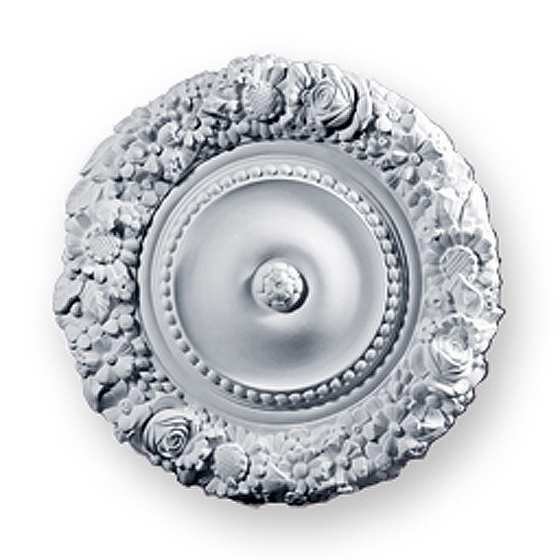
Baroque plaster ornament. Interior details and architectural ornamentation!
Baroque Ceiling medallions, cornices and moldings. Capitals, crowns and cartouches. Ournauthentic Period and Historic architectural ornamentation are all crafted in genuine plaster. For commercial and residential environments. Repairs and restoration.
Use of Light and Shadow: Baroque architecture makes dramatic use of light and shadow to create a sense of depth, contrast, and drama. Buildings are often designed with large windows, domes, and cupolas that allow natural light to filter into the interior spaces, creating a play of light and shadow that enhances the overall visual impact.
Monumental Scale: Baroque architecture is often characterized by its monumental scale, with large buildings and expansive spaces that are designed to impress and awe. Palaces, churches, and public buildings are often massive in size, with imposing facades, soaring domes, and grandiose interiors that create a sense of grandeur and magnificence.
Eclectic Influences: Baroque architecture incorporates a wide range of influences from different architectural styles, such as classical, Renaissance, and Gothic, and often combines them in a unique and eclectic way. This allows for creative freedom and experimentation, resulting in buildings that are rich in variety and visual interest.
Dynamic Use of Space: Baroque architecture often features dynamic and theatrical use of space, with varying levels, hidden views, and surprising perspectives. This creates a sense of spatial complexity and intrigue, adding to the overall drama of the style.
Symbolism and Allegory: Baroque architecture often incorporates symbolism and allegory, with decorative elements and motifs that convey deeper meanings and messages. These symbolic elements add layers of meaning and significance to the design, creating a sense of richness and depth.
Contrasting Materials and Textures: Baroque architecture often employs contrasting materials and textures, such as smooth marble against rough stonework, or shiny metals against weathered wood. This contrast adds visual interest and depth to the design, enhancing its overall dramatic impact.
Play of Colors: Baroque architecture often uses a rich palette of colors, with bold and vibrant hues that add to the overall visual impact of the design. Colors are often used strategically to create focal points, highlight decorative elements, and add to the overall drama of the style.
These are some of the essential design elements of the Baroque architectural style, which collectively create its characteristic grandeur, drama, and opulence.
Antiquing Video Tutorial
Turn ordinary objects into heirlooms! Creating the 'Classic Antique' glaze finish for objects, furniture, walls and more. This detailed step-by-step tutorial shows how to mix the right colors to create the perfect antiquing solution for any object, furniture, picture frame and more.
The Baroque architectural style is known for its opulent and dramatic design elements that create a sense of grandeur and theatricality.
Elements of Baroque Design
Feature products - Baroque Ornamental cast plaster!
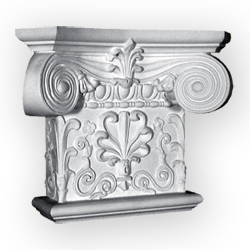
A central design element in the Baroque architectural style is ornamental plaster features on walls and ceilings. Columns and capitals are richly ornamental, while walls are paneled with intricate moldings, featuring carved scrolls and fronds. Also mixed in, you'll find decorative elements from nature, including animals, birds and fruitd sand vegetables.
Baroque Furniture
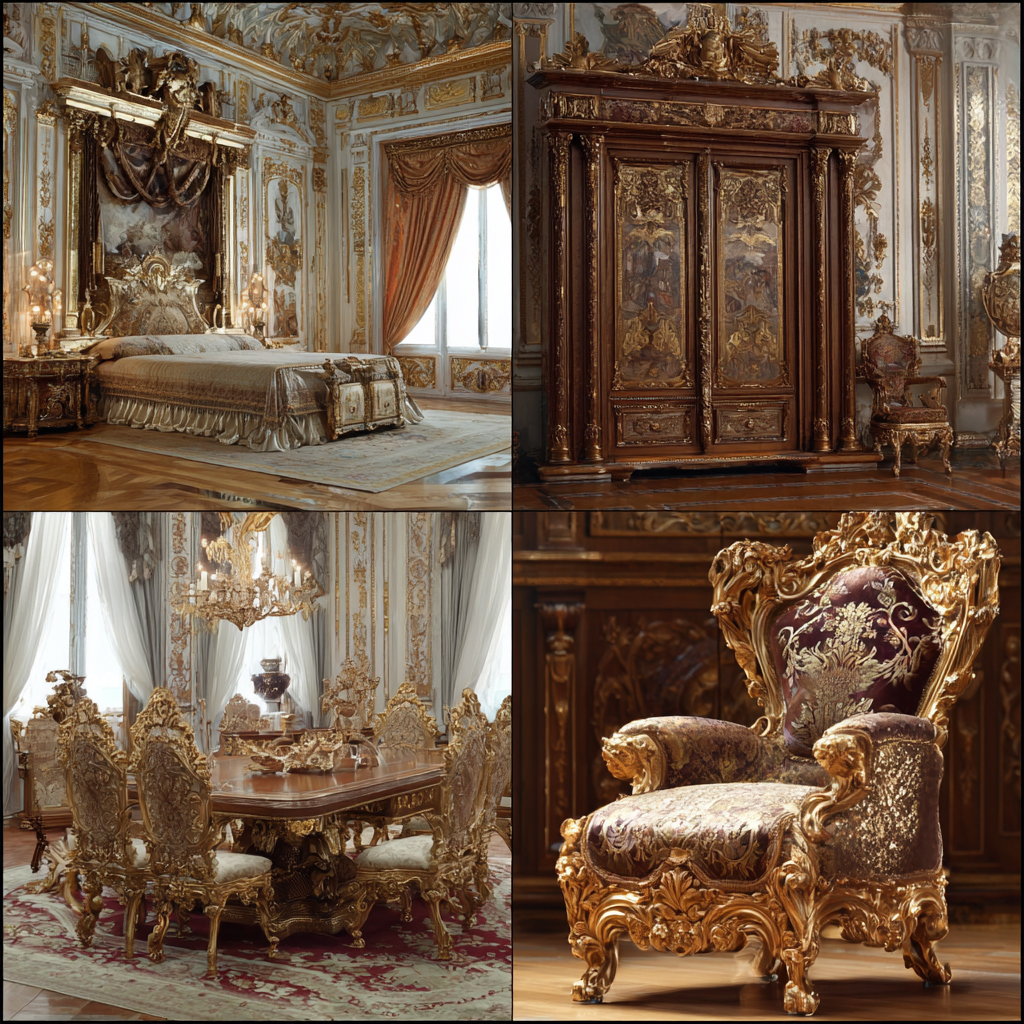
In Baroque design, chairs are conceived not merely as functional objects but as sculptural statements of power, status, and theatrical display. They may be lavishly carved, intricately inlaid, richly painted, or heavily gilded—often combining all of these techniques to achieve a sense of dramatic opulence. Frames are animated with scrolling acanthus leaves, shell motifs, and mythical creatures, transforming furniture into ornament in its own right.
In the bedroom, sumptuous bed hangings of velvet or damask cascade from carved testers, enveloping the space in warmth and ceremony. An imposing oak armoire, often paneled and deeply carved, serves as both storage and architectural feature, while beveled-glass mirrors framed in gilt or ebonized wood reflect candlelight and amplify the room’s grandeur.
Living and dining rooms embrace a similarly monumental character. Heavy, carved built-in cupboards and wall cabinets anchor the space, their surfaces alive with relief carving and decorative panels. A massive oak buffet or credenza stands as a focal point, reinforcing the sense of abundance and permanence associated with Baroque interiors.
Dining chairs are wide and low, designed for presence as much as comfort. Crossed legs, turned stretchers, and boldly carved aprons support seats upholstered in velvet, leather, or richly woven textiles. Lion paw feet, clawed bases, and sculpted armrests evoke authority and strength, creating a throne-like experience that elevates even everyday rituals into expressions of ceremony and power.
Baroque Floors
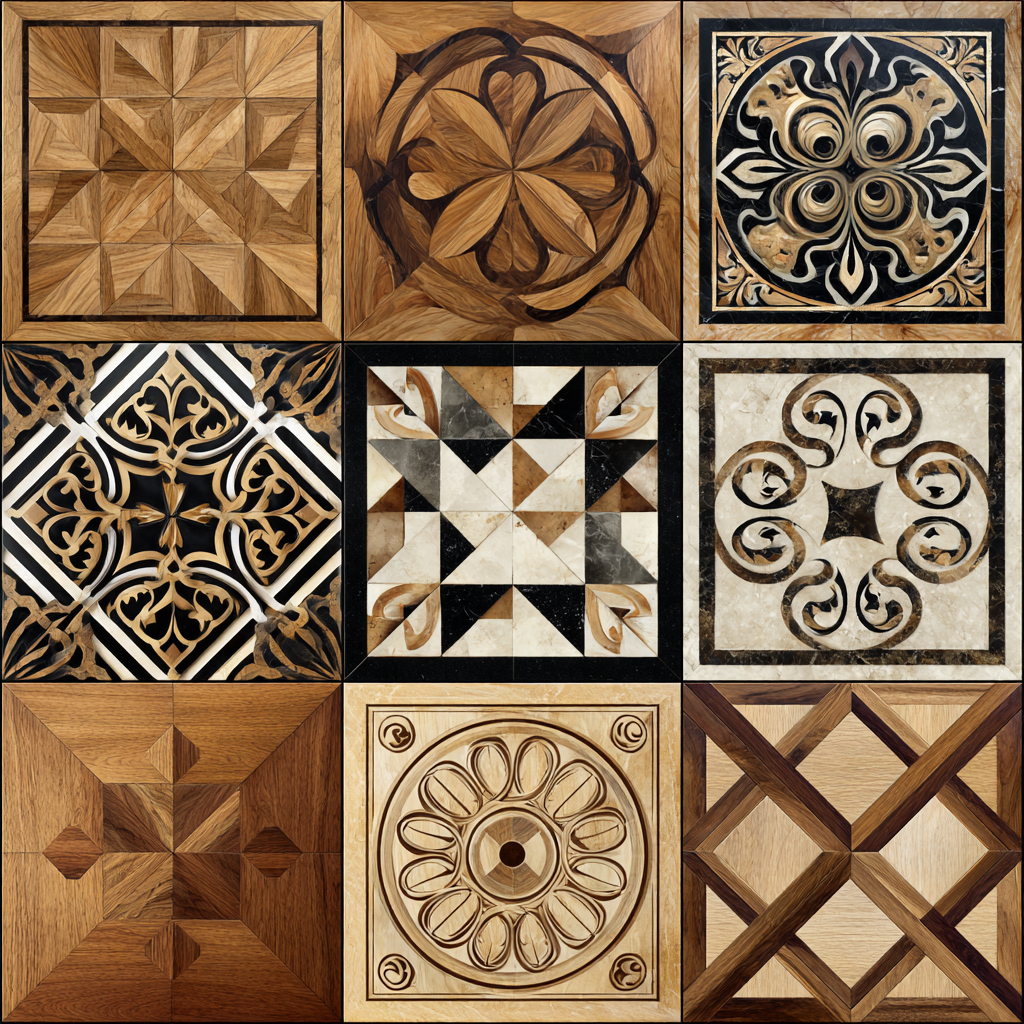
Flooring in the Baroque interior was conceived as an integral part of the overall theatrical composition, designed to reinforce grandeur, movement, and visual drama. Inlaid wood floors were especially prized, often composed of richly contrasting species—walnut, oak, cherry, and exotic imported woods—arranged in intricate geometric patterns, starbursts, borders, and parquetry that echoed the ornamental language of ceilings and wall paneling.
Black-and-white stone or marble tile floors, laid in bold diamond or square patterns, were equally emblematic of the Baroque aesthetic. These high-contrast surfaces introduced a sense of rhythm and dynamism, guiding the eye through grand halls, galleries, and reception rooms. Their graphic clarity provided a striking counterpoint to the abundance of carved and gilded decoration above.
Textiles played a crucial role in softening and enriching these hard surfaces. Rush mats and woven floor coverings were commonly layered for comfort, while richly colored Persian and Oriental rugs added warmth, depth, and an international sense of luxury befitting aristocratic interiors.
Stone floors—particularly limestone or marble—were also prevalent, especially in palazzi and ecclesiastical spaces. These were sometimes enhanced with painted or stenciled geometric patterns, trompe-l'œil effects, or border motifs, transforming the floor into a decorative canvas. Whether executed in wood, stone, or tile, Baroque flooring embodied movement, contrast, and ornamentation, grounding the interior’s dramatic architecture with a foundation of visual splendor.
Baroque Windows
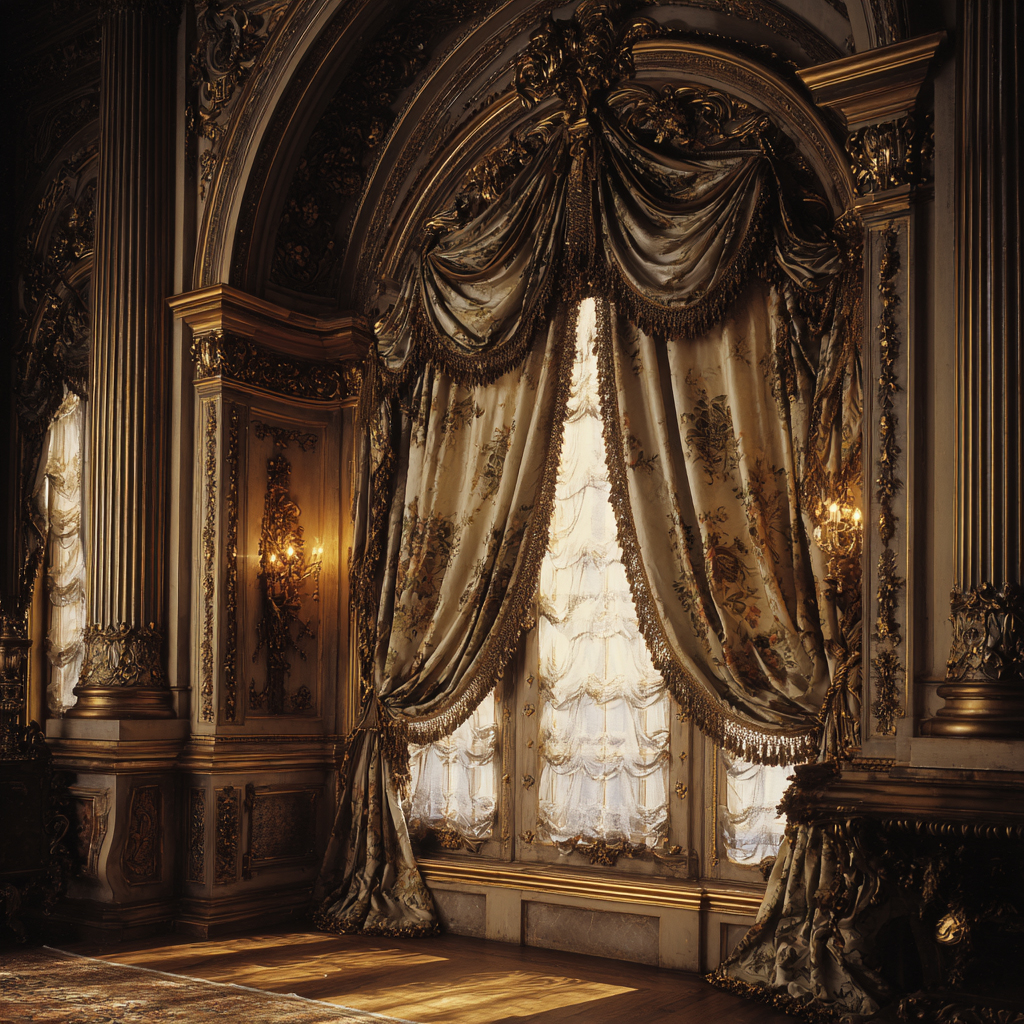
Windows in Baroque interiors were treated as theatrical framing devices, designed to heighten drama, control light, and reinforce the sense of grandeur that defined the period. Full, voluminous draperies were essential, often extending from ceiling to floor in generous folds that emphasized verticality and scale. Heavy textiles such as velvet, damask, silk, and brocade were favored, their rich textures contributing to the sensory opulence of the space.
Decorative trims played a central role in elevating these window treatments. Gold and silver tassels, bullion fringe, cords, and embroidered borders were lavishly applied, often catching candlelight and adding movement and shimmer. Floral and botanical patterns—frequently mirrored in upholstery, wall coverings, and carpets—created visual cohesion throughout the interior, reinforcing the Baroque ideal of a fully unified decorative scheme.
Hardware was never an afterthought in Baroque design. Window and door latches, escutcheons, and hinges were prominently displayed and often crafted in cast brass, iron, or bronze, sometimes gilded or ornamented with scrollwork and classical motifs. These functional elements doubled as decorative accents, underscoring the Baroque philosophy that even the smallest architectural details should contribute to the overall sense of richness and spectacle.
Together, dramatic textiles, coordinated patterns, and expressive metalwork transformed Baroque windows into focal points—balancing light and shadow while reinforcing the emotional intensity and ceremonial character that defined Baroque interiors.
Baroque Walls
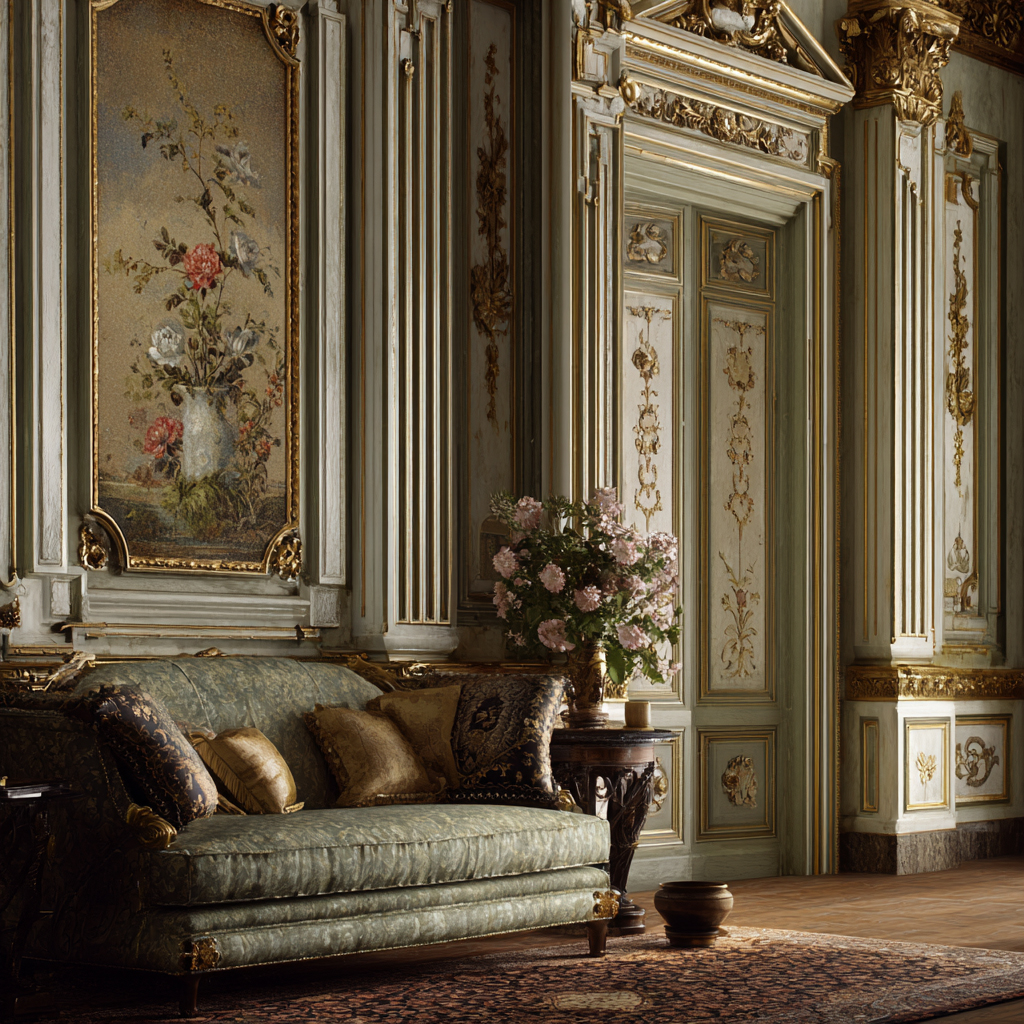
Baroque walls were conceived as immersive, decorative surfaces intended to surround the viewer in drama, movement, and visual richness. Paneling was commonly arranged in strong geometric compositions—rectangles, squares, and rhythmic divisions—creating an architectural framework that brought order to the otherwise exuberant decoration. These panels were often painted in deep, resonant colors or softened tones, providing a structured backdrop for ornamental embellishment.
Within this framework, walls were richly adorned with lavish floral and figural carvings, painted scenes, and sculptural reliefs inspired by classical mythology, allegory, and nature. Gilding was frequently applied to highlight moldings, motifs, and raised details, catching light and enhancing depth. Faux finishes played a prominent role as well; faux marble, tortoiseshell, and other illusionistic surfaces allowed interiors to convey luxury and rarity while showcasing the painterly skill prized during the Baroque period.
Interestingly, despite the abundance of surface ornament, architectural moldings and cornices were often restrained and relatively plain. This deliberate contrast allowed the decorative elements—paintings, textiles, and gilded accents—to command attention without overwhelming the architectural framework, preserving balance within the interior.
Textiles were essential to completing the Baroque wall treatment. Baroque tapestries—ranging from painted and gilded fabrics to tooled or embossed leather—were widely used to add warmth, texture, and narrative imagery. Velvet and damask wall hangings introduced softness and acoustic comfort while reinforcing the sense of opulence. Together, these layered treatments transformed Baroque walls into richly animated surfaces, uniting architecture, art, and decoration into a single expressive composition.
Baroque Lighting
Lighting in Baroque interiors was designed to heighten drama, emphasize ornament, and create a dynamic interplay of light and shadow. Before the advent of electricity, illumination relied almost entirely on candlelight, and the warm, flickering glow of flames was an essential part of the Baroque atmosphere—softening forms, animating gilded surfaces, and enhancing the emotional intensity of the space.
Candlesticks and wall-mounted sconces were crafted as decorative objects in their own right. Solid brass, pewter, and carved wood were commonly used, often shaped into scrolling arms, floral motifs, or figural forms. Mirrored sconces were especially prized, as their reflective surfaces multiplied candlelight, amplifying brightness while creating a sense of depth and movement across walls and ceilings.
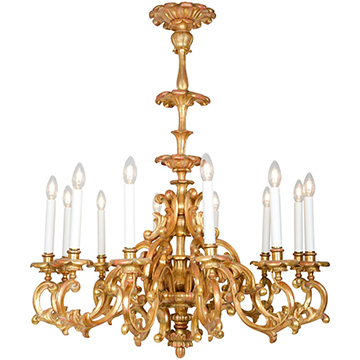
Large chandeliers served as commanding focal points, particularly in salons, stair halls, and dining rooms. Constructed of gilded metal, carved wood, or early cut glass and crystal, these fixtures were designed to cascade light downward while reinforcing verticality and grandeur. Multiple tiers of candle arms emphasized abundance and spectacle, transforming lighting into an expression of wealth and ceremonial importance.
In Baroque design, lighting was never merely functional. It was an integral component of the overall composition—used to sculpt space, highlight architectural details, and infuse interiors with warmth, splendor, and theatrical presence.
Baroque Decorative Objects
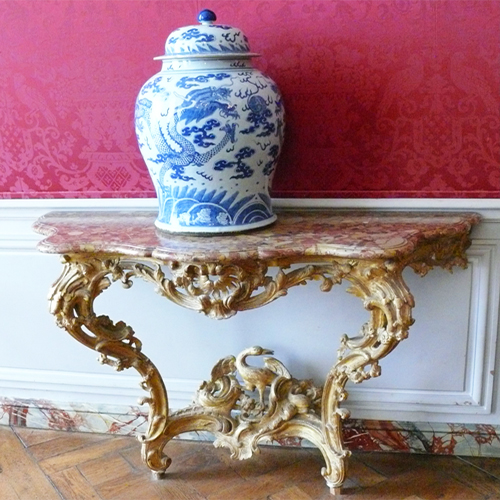
Decorative objects in Baroque interiors were chosen to reinforce a sense of luxury, global influence, and visual abundance. Among the most significant and fashionable were Chinoiserie elements, which reflected Europe’s fascination with the exotic goods and aesthetics of East Asia. Lacquer ware, Chinese snuff bottles, porcelain vessels, painted fans, and imported silks were displayed prominently, valued as symbols of refinement, wealth, and international trade.
Porcelain, in particular, played a central role in Baroque decoration. Blue-and-white Delftware, inspired by Chinese porcelain yet produced in Europe, was widely collected and displayed on cabinets, mantelpieces, and wall brackets. These ceramics introduced crisp contrast and rhythmic pattern into richly colored interiors, balancing the visual weight of gilded and carved surfaces.
Gilded frames were ubiquitous, enclosing paintings, mirrors, and religious imagery in richly carved surrounds of scrolling foliage, shells, and classical motifs. Small-scale sculpture—often depicting mythological figures, cherubs, allegorical forms, or portrait busts—added sculptural depth and narrative interest to interiors. These objects were carefully arranged on consoles, pedestals, and overmantels, contributing to a layered and theatrical composition.
In true Baroque fashion, decorative objects were never isolated accents. They were grouped, repeated, and orchestrated to create a sense of rhythm and spectacle, transforming rooms into curated displays of artistry, devotion, and worldly sophistication.
Early American Style
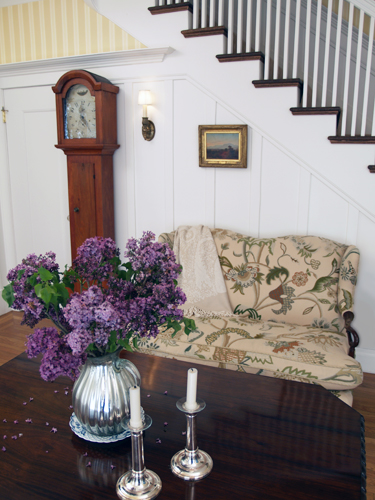
Colonial Amercians drew inspriation from their European heritage. Curent design styles would filter across the ocean and become reinventedin early America. Proportion and scale took reign over ornementation, A neutral color palette of grey blue, greens and rose pinks is readily apparent.
Stucco Rustico - Aged Plaster
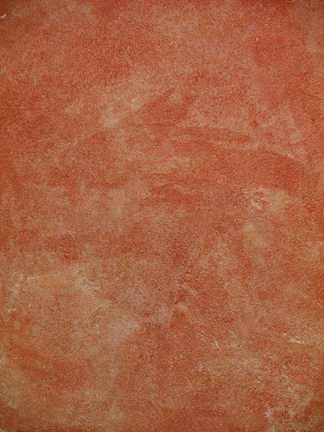
Stucco Rustico is a Traditional interior and exterior textured plaster that epitomizes the rustic old world charm commonly associated with Tuscan environments. I love this treatment for its ease of application and the natural, organic glazed appearance that results when using mineral based plasters and glazes. Whether a rough application or a smooth finish, this treatment holds true to the test of time and, in fact, feels as if time itself stopped to wash the walls personally.

The Rustic Color Palette
The Rustic Style color palette falls within a distinct range of color tones and is essential in creating a successful Rustic interior. By using the appropriate color tones you can create a variety of design styles ranging from Period and Historic, regional or thematic. Color helps define our experiences within an interior and exterior environment. It affects us on a physical, emotional, and spiritual level and can be calming and passive, expressive and vital.
Painted Floral Details
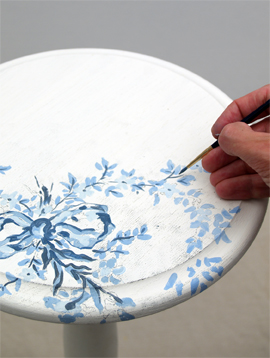
Floral patterns used as accents in fabrics and furniture are common place details in the English Country home. These graceful and organic patterns complement the cozy interior of this style and work particularly well with lace window treatments, an heirloom tea service set and the natural and rustic charm of wooden ceiling beams and slightly irregularly textured walls.