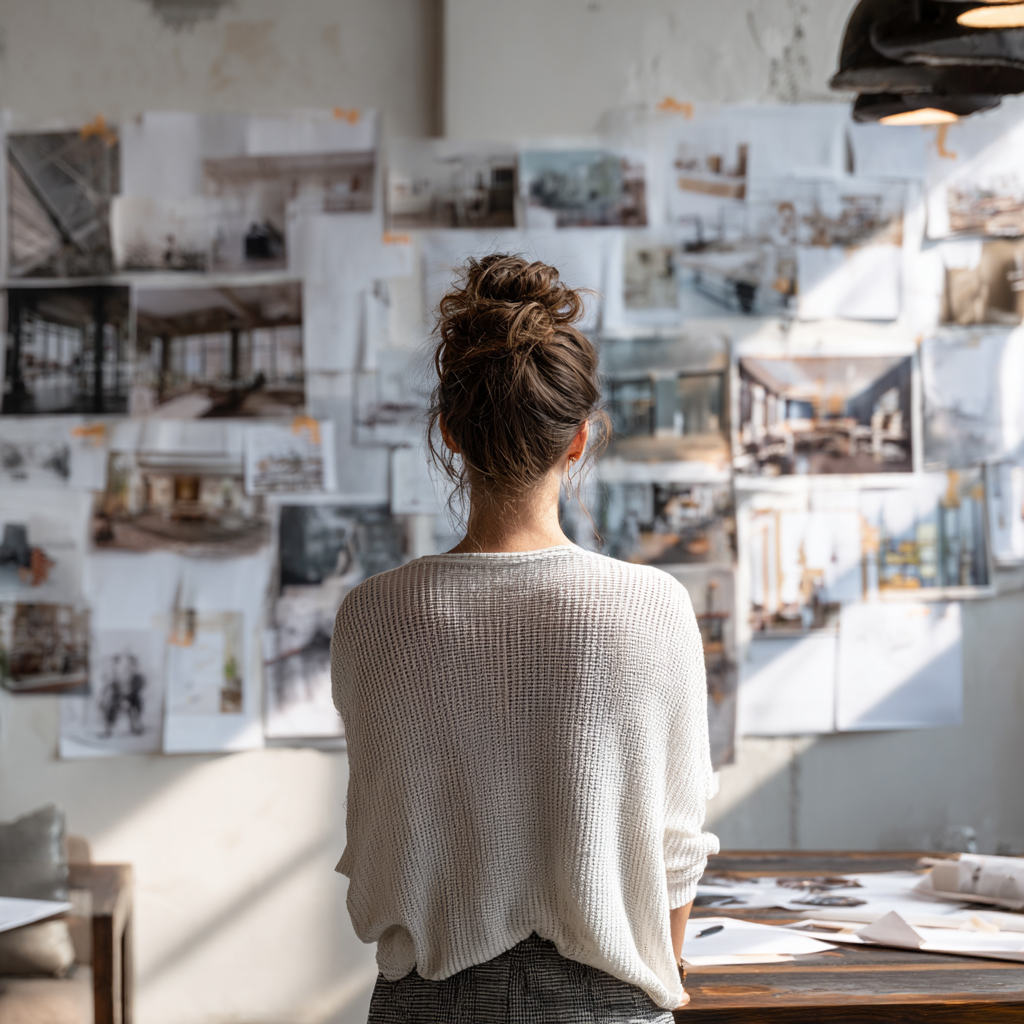
Personal style isn’t a “right answer.” It’s a point of view you develop over time—through what you’re drawn to, what you’ve lived with, and what feels like home. At artSparx, we make that process simple: start by exploring our three Design Style categories, then refine your choices through Color Central and our Decorative Painting Center.
Historic, Thematic, and Geographic styles help you identify what you love, architecture, materials, mood, pattern, and cultural references, so your decisions feel intentional instead of random.
Historic Design – Inspired by past eras and period details—architecture, furnishings, ornament, and timeless proportion.
Thematic Design – Built around an idea or story—artistic movements, lifestyle themes, and imaginative concepts you can personalize.
Geographic Design – Shaped by place—regional materials, natural color palettes, climate, craft traditions, and local texture.
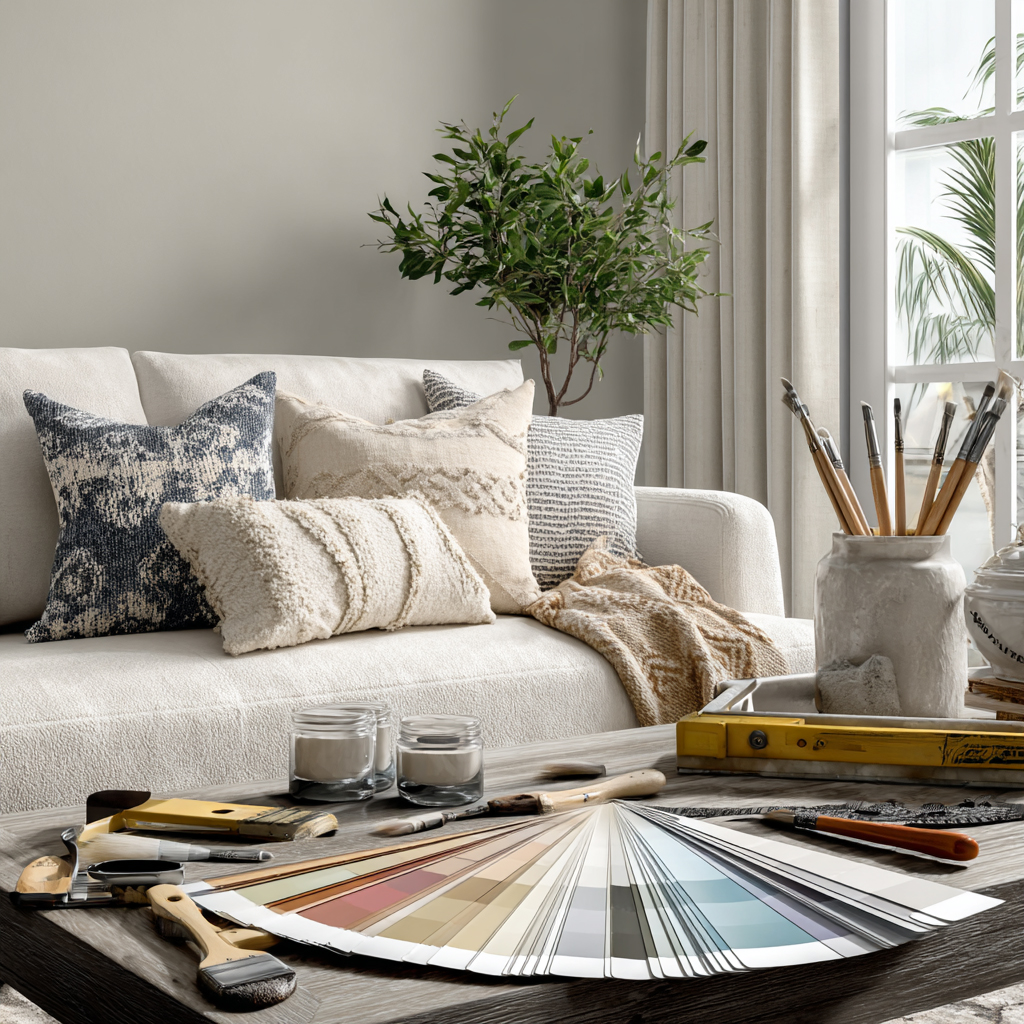
Once you’ve found the styles that resonate, Color Central helps you translate inspiration into real-world choices—cohesive palettes, tone, contrast, and mood—so every room feels connected.
This is where style becomes tangible. Learn finish techniques that add depth and character—glazing, antiquing, faux textures, and more—so your space has warmth, dimension, and a signature look.
When you’re ready to move from inspiration to application, artSparx offers professional-grade materials chosen for dependable results and beautiful finishes:
Explore what speaks to you, build a palette that supports it, and learn techniques that make it real. That’s how you develop a personal style—clear, confident, and uniquely yours.
Historic design refers to the use of design styles, elements, and motifs from specific historical periods or movements in interior design. This approach involves incorporating authentic or replicated design elements from the past, such as ornate moldings, classical motifs, or period-specific furniture, to create a space that reflects the aesthetics and characteristics of a particular historical era.
Thematic design involves creating a space based on a particular theme or concept, which can be unrelated to any specific historical period. Themes can vary widely, ranging from nature-inspired themes, such as beach or forest themes, to cultural themes, such as Asian or Mediterranean themes, to more abstract themes, such as industrial or futuristic themes. Thematic design allows for creative freedom and customization, as designers can interpret and implement the chosen theme in various ways.
Geographic design focuses on incorporating design elements and influences from specific regions or geographic locations into the interior design. This approach involves drawing inspiration from the culture, traditions, materials, colors, and aesthetics of a particular region or country, and infusing them into the design. Examples of geographic design could include Scandinavian design with its minimalist and functional approach, or Moroccan design with its vibrant colors and intricate patterns.
Historic design is rooted in specific historical periods, thematic design revolves around a chosen theme or concept, and geographic design draws inspiration from specific regions or locations. Each approach offers unique opportunities for creative expression and customization in interior design.
Decorative paint effects are artistic techniques that elevate surfaces from ordinary to extraordinary, such as faux finishes, textures, and patterns, adding depth and dimension for a touch of whimsy, drama, or elegance to any space.
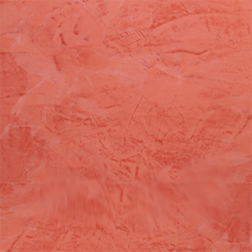 Venetian Plaster
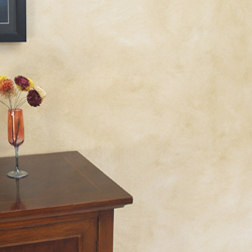 Classic Parchment
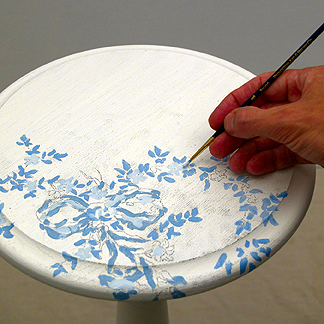 Painted Furniture
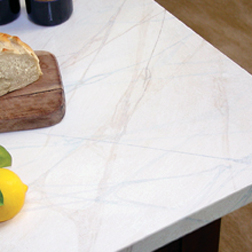 Marblizing
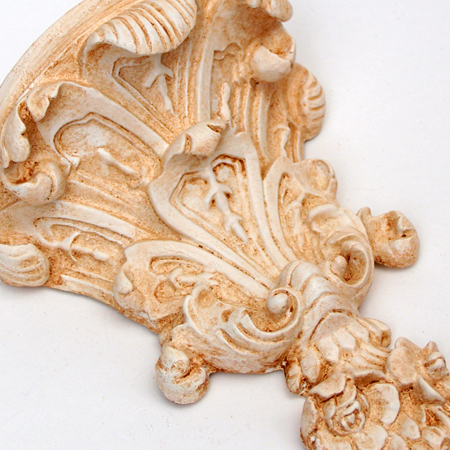 Antique Glaze
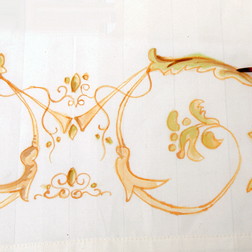 Painted Scrolls
Decorative plaster effects are techniques that create textured, lustrous finishes using materials like Venetian plaster, lime plaster, or stucco, adding depth and sophistication to surfaces for a timeless and luxurious touch to interior design.
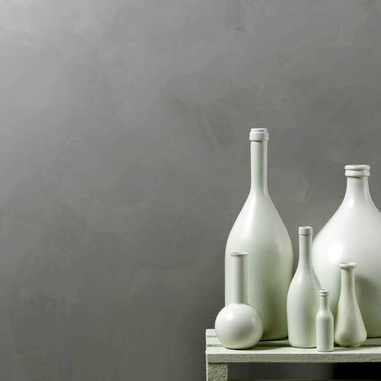 Venetian Plasters
 Tadelakt Traditional Moroccan Lime Plaster
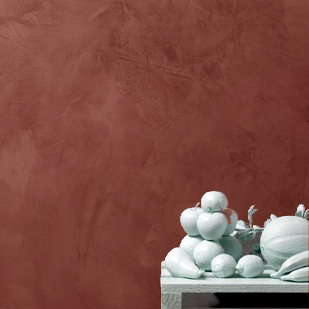 Marmorino Plasters
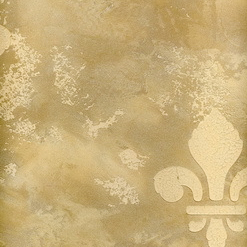 Decorative Plasters
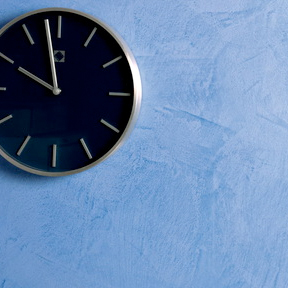 Lime Based Plasters
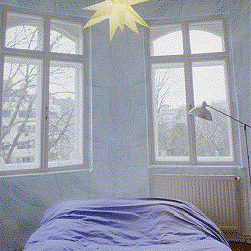 Mineral Glazes
Gilding is the art of applying precious metal sheets for opulent, luminous finishes that add a touch of grandeur and elegance to interior design and architecture.
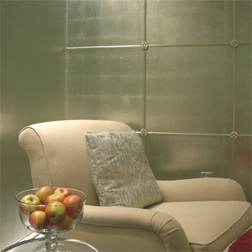 Gilding Walls
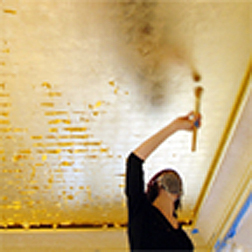 Gilding Ceilings
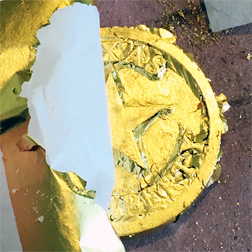 Gilding Objects
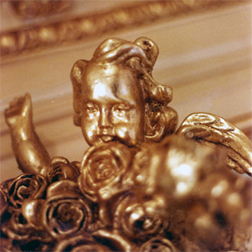 Gilding Furniture
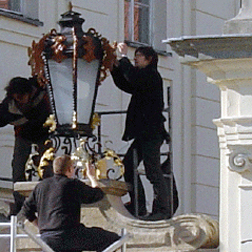 Exterior Gilding
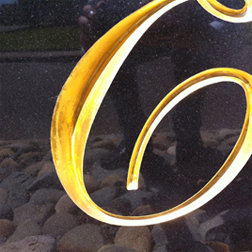 Gilding on Stone
Freshen any room with this creative checker board painted floor cloth.
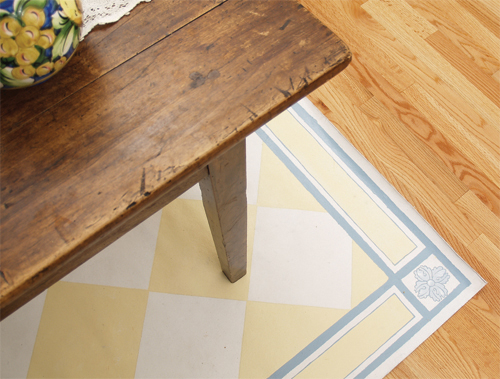
The magic of a painted floor cloth can transform a common space into a unique and beautiful expression of you and your family’s personality. Use these versatile cloths for entrance floors, children's rooms, porches, or just about anywhere. Due to the hand painted nature of each floor cloth there is a great opportunity to customize an interior detail to the home, adding quirky elements and personal touches that help create these singularly unique painted floor cloths.
Finishing Venetian Plaster with natural polished marble effect
Lithos is the contemporary version of the famous ancient Stucco Veneziano. It is a beautiful and highly refined decorative finish for hotels, offices, shops, exhibition halls, living rooms, etc. Ideal for all types of interior surfaces such as cement renders, Gypsum plasters, prefabricated panels wood and its by-products, as long as sufficiently smooth. With the range of colours and the applicator’s capacity and inspiration, it is possible to attain a variety of designs and chromatic effects. The resulting coating, in addition to being highly attractive, is abrasion resistant and washable.
Spread rate: 35 to 45 sq. ft. per quart.
0.8 - 1.0 kg/m² (for a recommended dry film thickness of 1,0 mm)
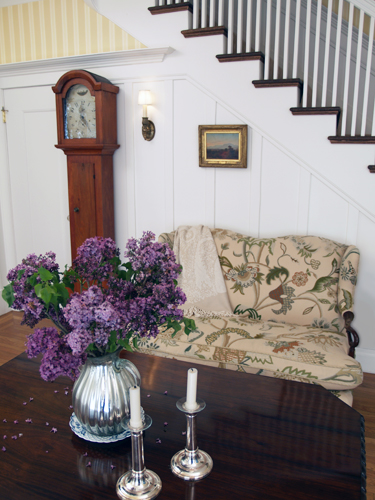
Colonial Amercians drew inspriation from their European heritage. Curent design styles would filter across the ocean and become reinventedin early America. Proportion and scale took reign over ornementation, A neutral color palette of grey blue, greens and rose pinks is readily apparent.
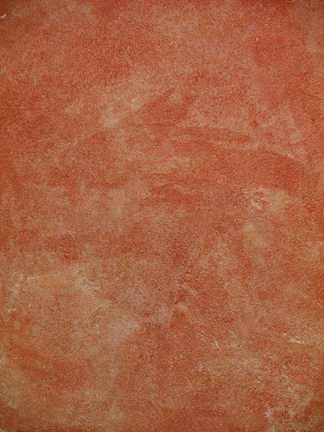
Stucco Rustico is a Traditional interior and exterior textured plaster that epitomizes the rustic old world charm commonly associated with Tuscan environments. I love this treatment for its ease of application and the natural, organic glazed appearance that results when using mineral based plasters and glazes. Whether a rough application or a smooth finish, this treatment holds true to the test of time and, in fact, feels as if time itself stopped to wash the walls personally.
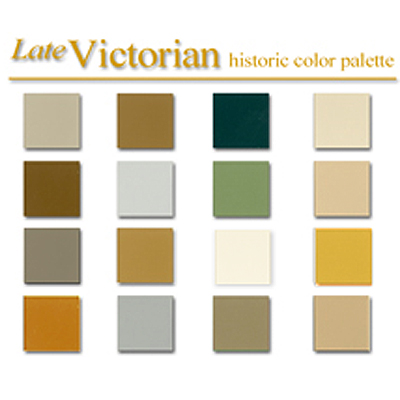
The Rustic Style color palette falls within a distinct range of color tones and is essential in creating a successful Rustic interior. By using the appropriate color tones you can create a variety of design styles ranging from Period and Historic, regional or thematic. Color helps define our experiences within an interior and exterior environment. It affects us on a physical, emotional, and spiritual level and can be calming and passive, expressive and vital.
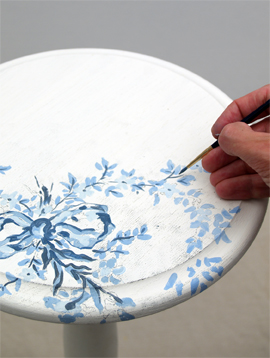
Floral patterns used as accents in fabrics and furniture are common place details in the English Country home. These graceful and organic patterns complement the cozy interior of this style and work particularly well with lace window treatments, an heirloom tea service set and the natural and rustic charm of wooden ceiling beams and slightly irregularly textured walls.