
Art Deco Design Style
Art Deco was an eclectic style, drawing on sources as diverse as industrial machinery, Hollywood glamour, Bauhaus architecture, and Cubist painting.
Born in the bright optimism of the machine age, Art Deco celebrated speed, precision, and polish. It paid homage to modern industry, discarding Art Nouveau’s sinuous curves and pretty pastels in favor of clean lines, sharp geometry, and a boldly modern palette—black, ivory, lacquer-red, teal, chrome, and gold.
If Art Nouveau suggested vines and lilies, Art Deco suggested elevators, ocean liners, radio dials, and the sleek hush of a lobby at midnight. Surfaces became smoother. Corners became crisp. Ornament didn’t disappear—it got disciplined, simplified, and made to sparkle.
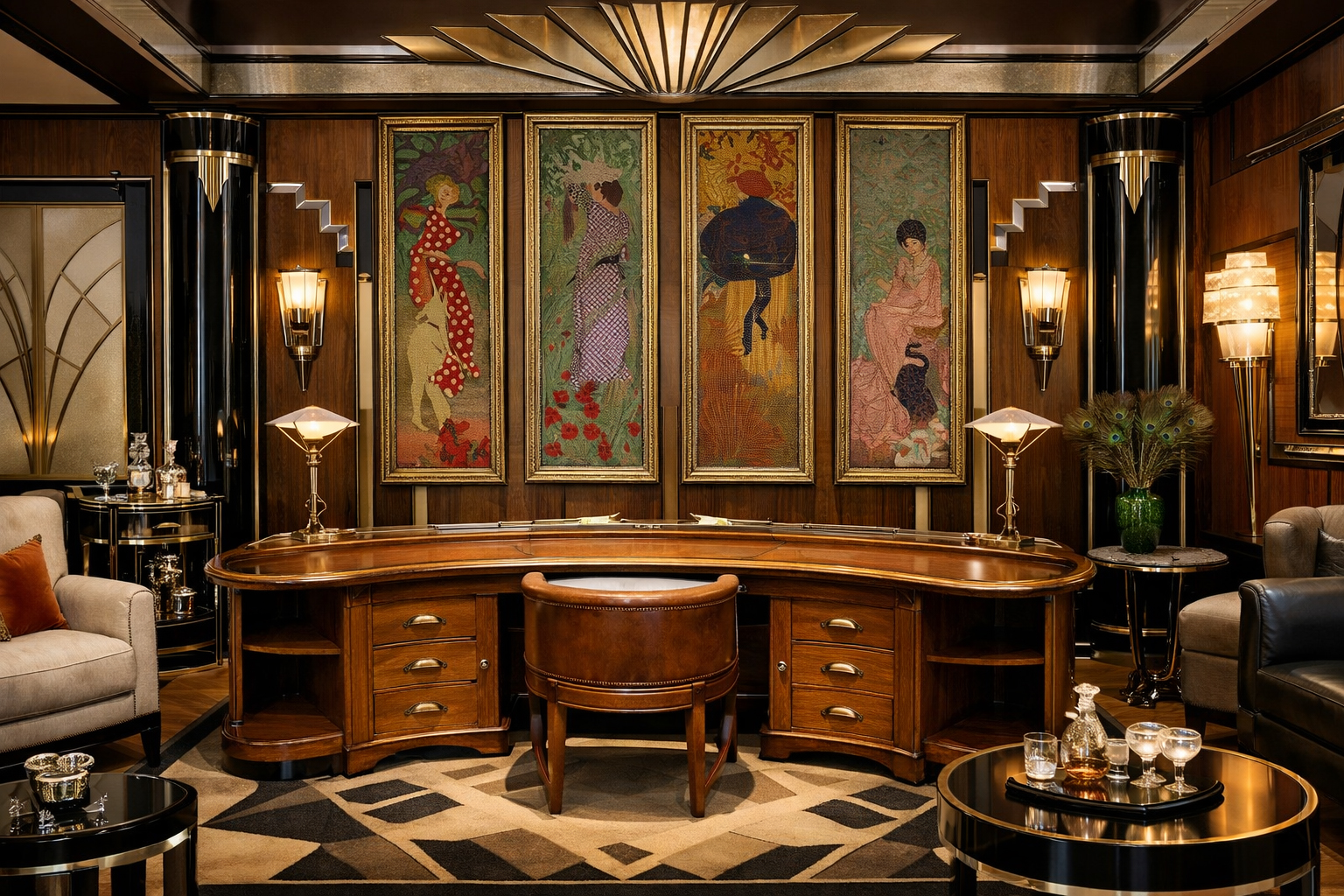
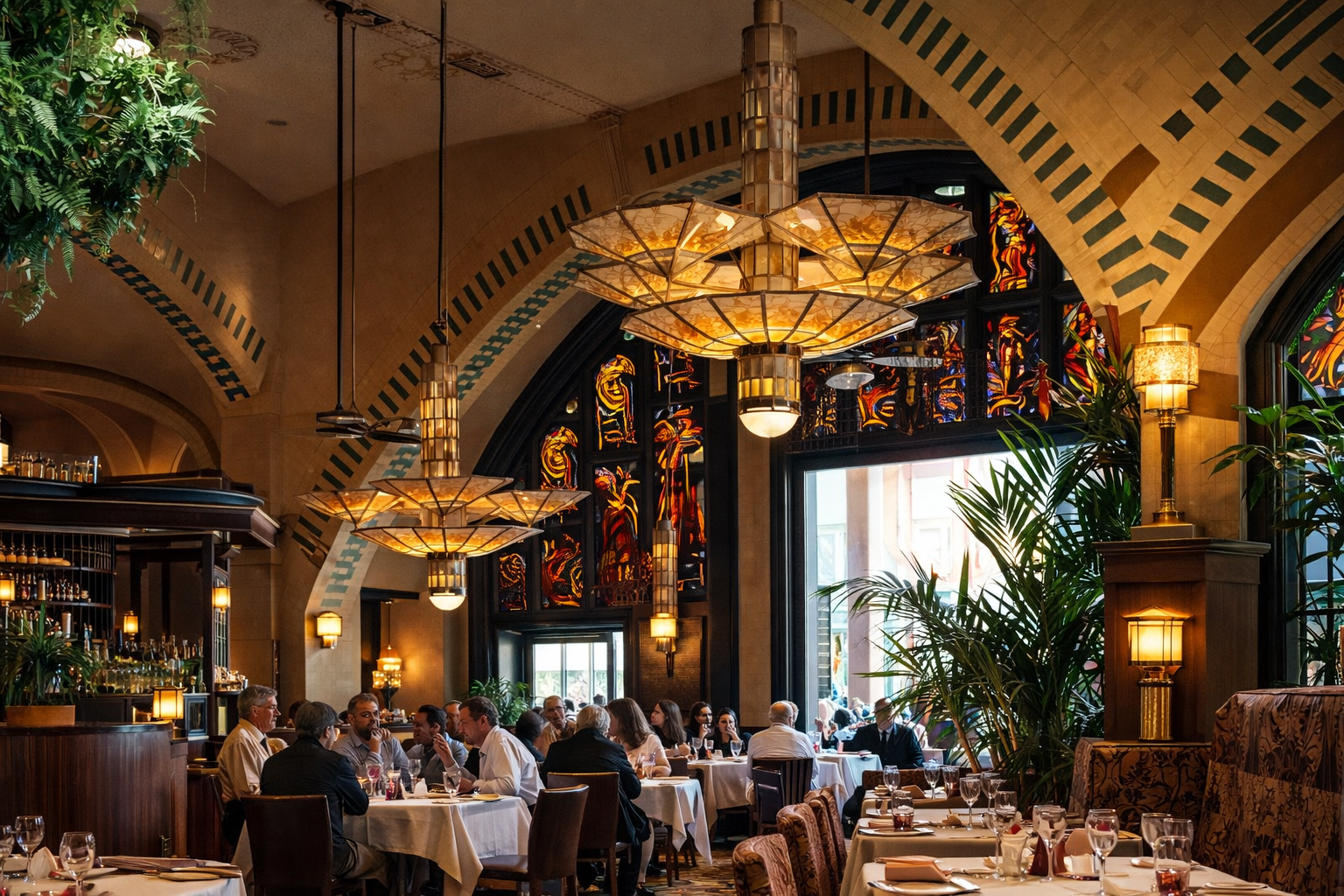
The perfect snapshot of the Deco mood. The sweeping crescent of polished wood, paired with symmetrical wall panels and streamlined lamps, captures the Deco love of craftsmanship made modern—luxury with an engineered backbone.
With the advent of the machine age, the rounded organic shapes of Art Nouveau crumbled before the angular, streamlined onslaught of Art Deco. Deco had roots in the early twentieth century, but really took off after World War I—popularized by films like 42nd Street and Grand Hotel, and made accessible to the masses by modern production techniques that could turn luxury motifs into everyday objects.
In its heyday, Deco was both a style and a promise: the future would be efficient, glamorous, and beautifully made. From skyscrapers to cigarette cases, it offered a new kind of elegance—less floral and romantic, more confident, urban, and electrified.
Step-by-step Tutorial
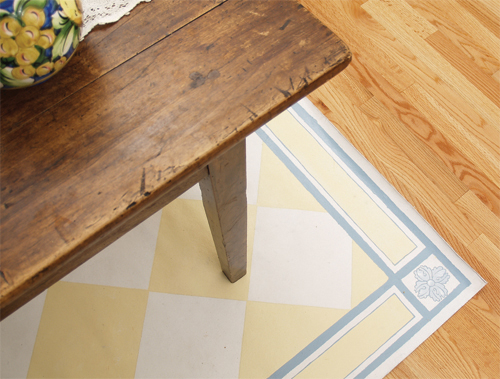
Hand Painted Floor Cloth
Freshen any room with this creative checker board painted floor cloth.
The magic of a painted floor cloth is its ability to transform a common space into a unique and beautiful expression of you and your family’s personality. Use these versatile cloths for entrance floors, children's rooms, porches, or just about anywhere.
In a Deco-inspired interior, graphic patterns feel especially at home—checkerboards, diamonds, sunbursts, and stepped “ziggurat” borders echo the period’s love of geometry. Because each cloth is hand painted, it can be customized to harmonize with a room’s palette—ivory and black for classic glamour, slate and brass for a softer modern take, or lacquer-red accents for a bolder, theatrical note.
Due to the hand painted nature of each floor cloth there is a great opportunity to customize an interior detail to the home, adding quirky elements and personal touches that help create singularly unique painted floor cloths.
Learn how to create a floor canvas painting!
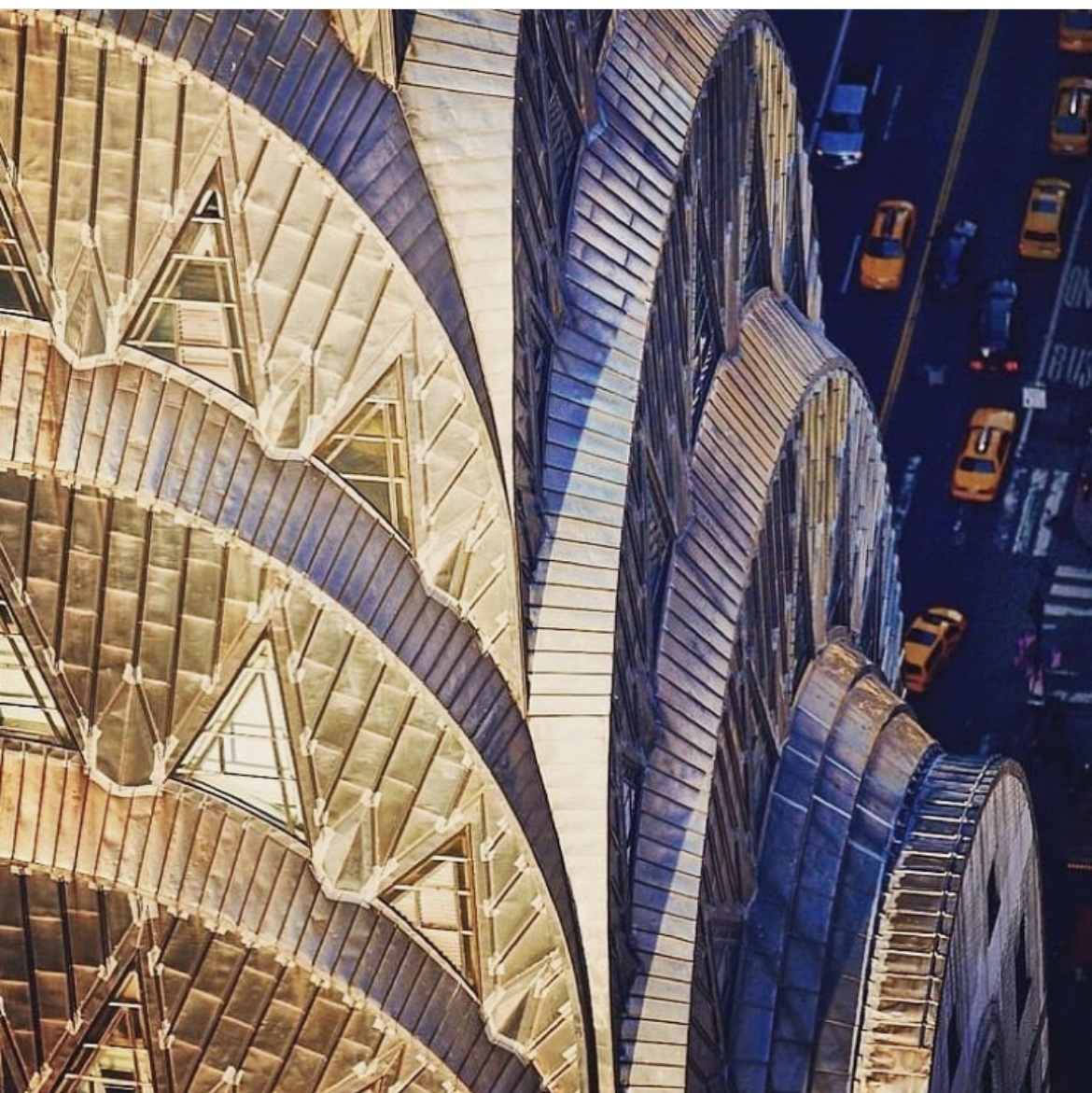
The Chrysler Building in New York City, designed by William Van Alen and opened in 1930. It is often cited as the classic American example of Art Deco architecture.
Art Deco was an eclectic style, drawing on sources as diverse as industrial machinery, Hollywood glamour, Bauhaus architecture, and Cubist painting. It loved repetition and symmetry—patterns that looked designed rather than grown.
Contemporary fascination with travel and archaeology found its way into the style as well, and the sensational discovery of King Tut’s tomb contributed motifs like papyrus, pyramids, and sphinxes, as well as basic Deco building blocks like stepped profiles (the Chrysler Building) and zigzag shapes.
Even when Deco borrowed from the ancient world, it translated those references into something crisp and modern—flattened forms, bold outlines, and simplified silhouettes meant to read at a glance.
During the period between the world wars, Art Deco style was everywhere—from Radio City Music Hall, the ubertemple of Deco design, to the humble Electrolux vacuum. Deco didn’t simply decorate; it streamlined. Handles, corners, and profiles all seemed to ask: can this be cleaner, sleeker, faster?
A hundred years later, Deco’s glory is undimmed, its elegance still fresh. Its simple lines and affinity with modern architecture make it a good choice for contemporary interiors, and it is not a terribly hard period look to achieve—especially if you focus on a few key principles rather than a room full of “theme.”
Start with structure (symmetry, strong verticals, clean horizontals), add a few luxurious materials (lacquer, brass, glass, velvet), and then let one bold pattern or artwork carry the drama—like the panel arrangement and curved desk vignette in this Art Deco interior photo.

The Eastern Columbia Building in Los Angeles. Designed by Claude Beelman in 1930.
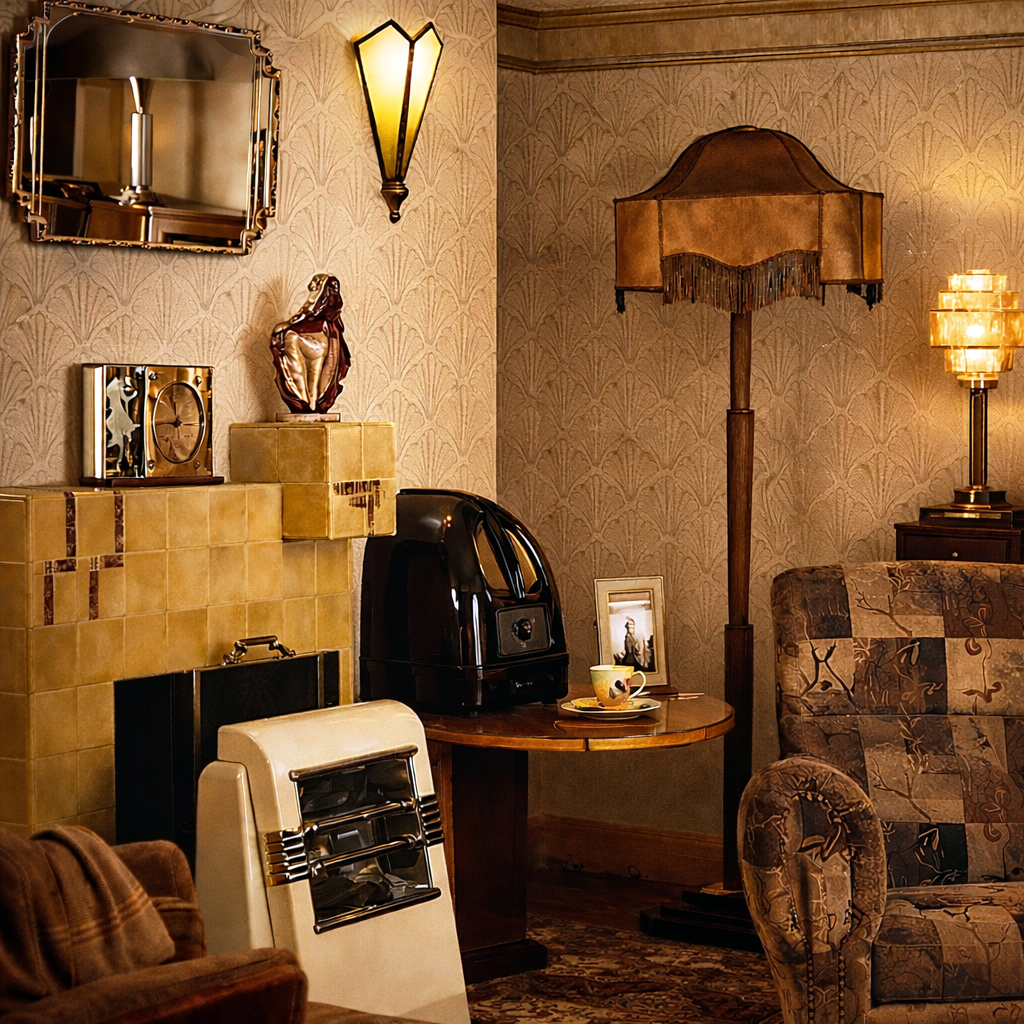
Art Deco living room circa 1932
There are many fine reproductions of Deco furniture on the market. With the right accessories, a thirties-style leather club chair, a streamlined birdseye maple bedroom set, or a black lacquered cocktail cabinet can anchor a Deco-themed room.
Look for pieces that feel “drawn” rather than “sculpted”: curved fronts with crisp edges, rounded corners that still read as intentional geometry, and hardware that looks engineered—brass pulls, chrome bands, or stepped detailing.
Deco also rewards restraint. Choose a few shining moments—a mirrored tray, a pair of sculptural lamps, a sunburst motif—then let calm surfaces do the heavy lifting. The goal is not clutter, but composition: every object placed with purpose, like notes in a well-written melody.
A Simple Deco Checklist
When you’re trying to “get” Art Deco, keep it simple. If your room has these ingredients, it will read as Deco even without a single period reproduction:
- Symmetry: pairs of lamps, balanced panels, centered focal points.
- Geometry: chevrons, zigzags, stepped profiles, arches used sparingly.
- Luxury materials: lacquer, polished wood, brass, chrome, glass, velvet.
- Graphic contrast: black/ivory, deep jewel tones, or warm wood with metal accents.
- Streamlined silhouettes: shapes that feel engineered—clean, confident, and uncluttered.
Add one strong statement—an artwork grouping, a curved desk, a bold floor pattern—and let everything else support it. Deco is glamour, yes, but it is also discipline.
Antiquing Video Tutorial
Turn ordinary objects into heirlooms! Creating the 'Classic Antique' glaze finish for objects, furniture, walls and more. This detailed step-by-step tutorial shows how to mix the right colors to create the perfect antiquing solution for any object, furniture, picture frame and more.
Step-by-step Tutorial
Sponging
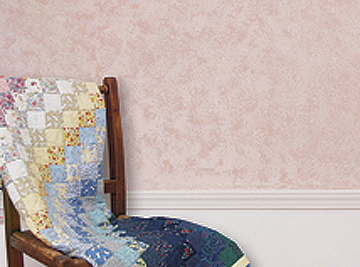
Everyday materials are often used to great advantage. Sponging utilizes a simple sea sponge to create a variety of visually textured effects. A tone on tone sponge finish, as demonstrated here, might imply the feeling of dappled light bouncing off a wall, while using contrasting colors can create a bold, striking effect. This painted effect is great for its ease of mastery, quickness of application and trouble-free clean up.
Learn how to create sponging efffect on walls, furniture and objects.
Feature Product
Sponge Roller
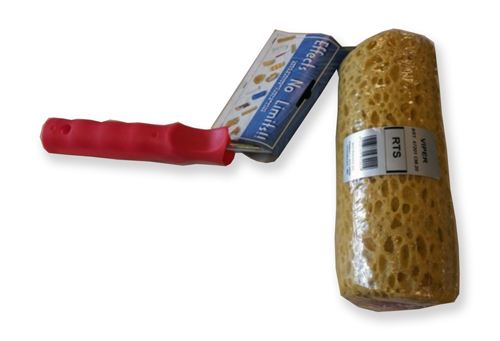
Viper Skin Sponge Effect Roller -7.8 in
Create a variety of sponge effects with this great sponge roller tool. Experiment with multi-colored patterns. Create linear sponge effects or random patterns., This easy to use tool puts creativity in your hands. Increases efficiency and quick clean up. Use oiver and over again.
Special Feature
English Country Style
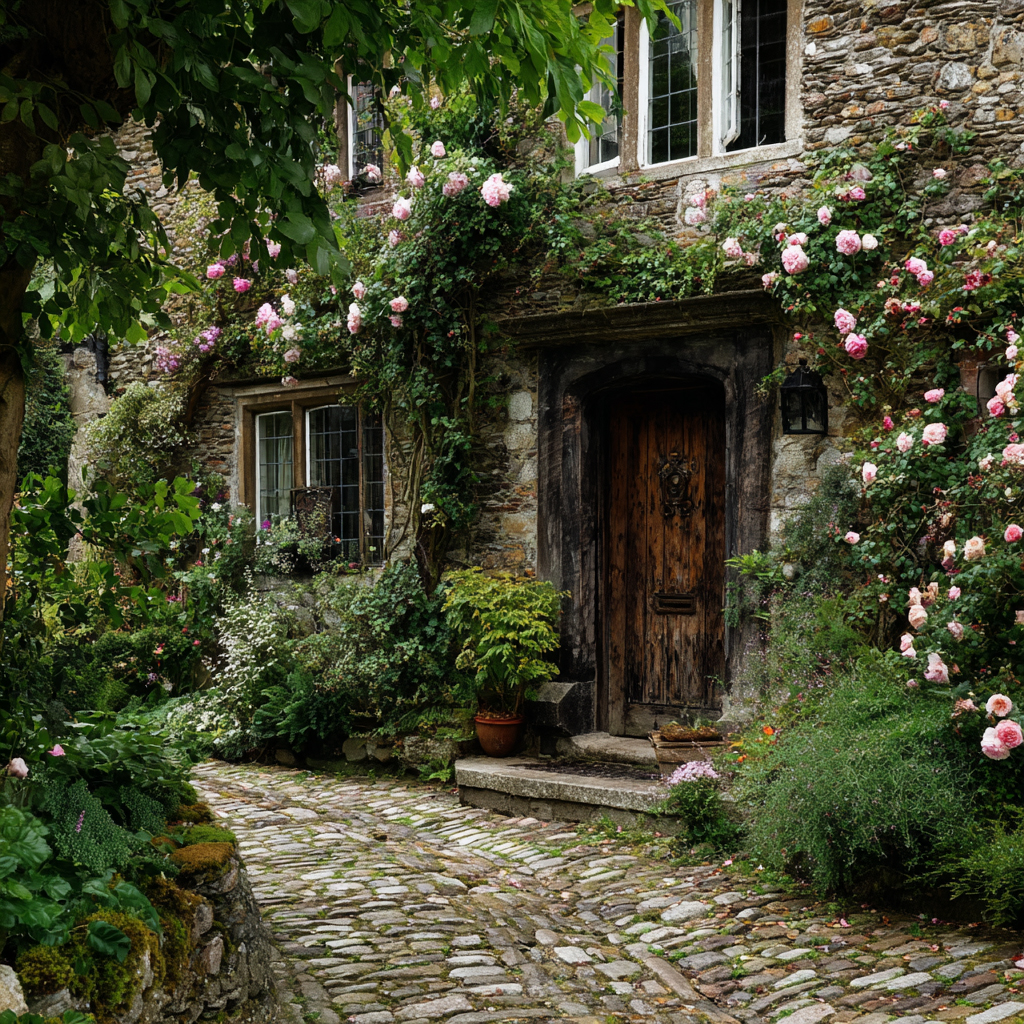
In the English countryside, pretty villages dot rolling hills and cobblestones line narrow medieval streets. Come in through the garden gate, and you'll find a steep thatched roof overhanging ancient leaded glass windows. Old garden roses creep around the carved oak door. The grounds, whether a picturesque cottage garden or the rolling parkland of the local manor house, are lovingly cared for. Everything is fresh, tidy, and welcoming.
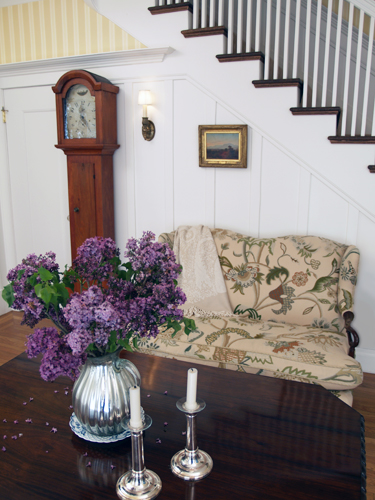
Early American Style
Colonial Amercians drew inspriation from their European heritage. Curent design styles would filter across the ocean and become reinventedin early America. Proportion and scale took reign over ornementation, A neutral color palette of grey blue, greens and rose pinks is readily apparent.
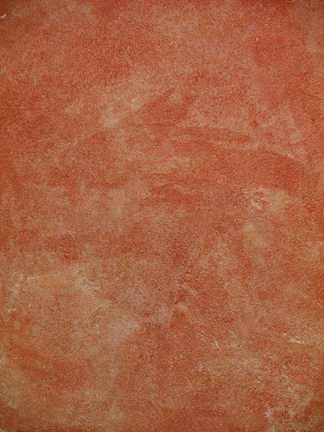
Stucco Rustico - Aged Plaster
Stucco Rustico is a Traditional interior and exterior textured plaster that epitomizes the rustic old world charm commonly associated with Tuscan environments. I love this treatment for its ease of application and the natural, organic glazed appearance that results when using mineral based plasters and glazes. Whether a rough application or a smooth finish, this treatment holds true to the test of time and, in fact, feels as if time itself stopped to wash the walls personally.
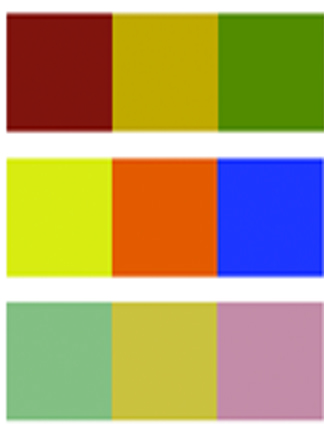
The Rustic Color Palette
The Rustic Style color palette falls within a distinct range of color tones and is essential in creating a successful Rustic interior. By using the appropriate color tones you can create a variety of design styles ranging from Period and Historic, regional or thematic. Color helps define our experiences within an interior and exterior environment. It affects us on a physical, emotional, and spiritual level and can be calming and passive, expressive and vital.
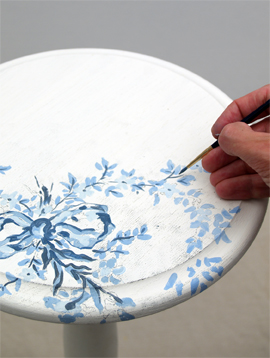
Painted Floral Details
Floral patterns used as accents in fabrics and furniture are common place details in the English Country home. These graceful and organic patterns complement the cozy interior of this style and work particularly well with lace window treatments, an heirloom tea service set and the natural and rustic charm of wooden ceiling beams and slightly irregularly textured walls.