
Fifties Style
Mid-century modern charm with a wink of retro fun.
The fifties were sleek, optimistic, and delightfully playful — a style where chrome shines, colors pop, and design feels effortlessly cool.
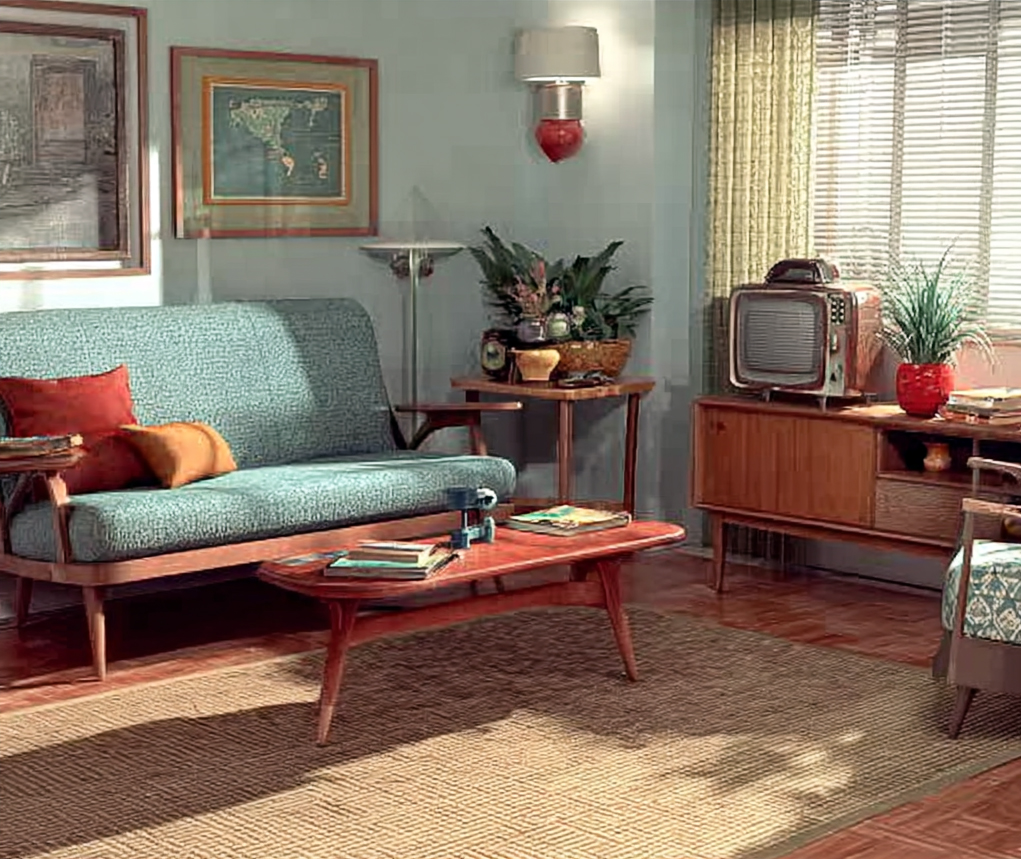
Whether your inspiration is the Guggenheim Museum or Marcus Welby’s waiting room, fifties design allows you to mix sophistication with fun in whatever proportions suit your fancy. From Eames chairs to tiki-room kitsch, the fifties can be high, low, or anywhere in between.
It was an era that loved tomorrow: rockets, tailfins, “atomic” bursts, and all manner of streamlined optimism. Interiors followed suit. Rooms opened up, walls relaxed, and furniture lifted itself onto slender legs as if it had somewhere exciting to go. Even everyday objects—telephones, blenders, lamps—seemed to wink at you, saying, “Yes, you can have a little glamour with your practicality.”
If you live in a Victorian cottage with gingerbread trim, carved mantels, and chair rails, you may want to consider another style. But if you are decorating a circa 1961 split-level ranch, why not revel in your home’s mid-century pedigree and furnish it with chrome and leather sofas, atom wall clocks, and amoeba-shaped coffee tables? The fifties are at their best when the house itself agrees with the story.
And don’t worry—this is not a museum exercise. Fifties style is remarkably forgiving. You can commit to the whole look (hello, turquoise appliances), or simply borrow the era’s clean geometry and confident color for a room that feels fresh, buoyant, and just a little bit mischievous.
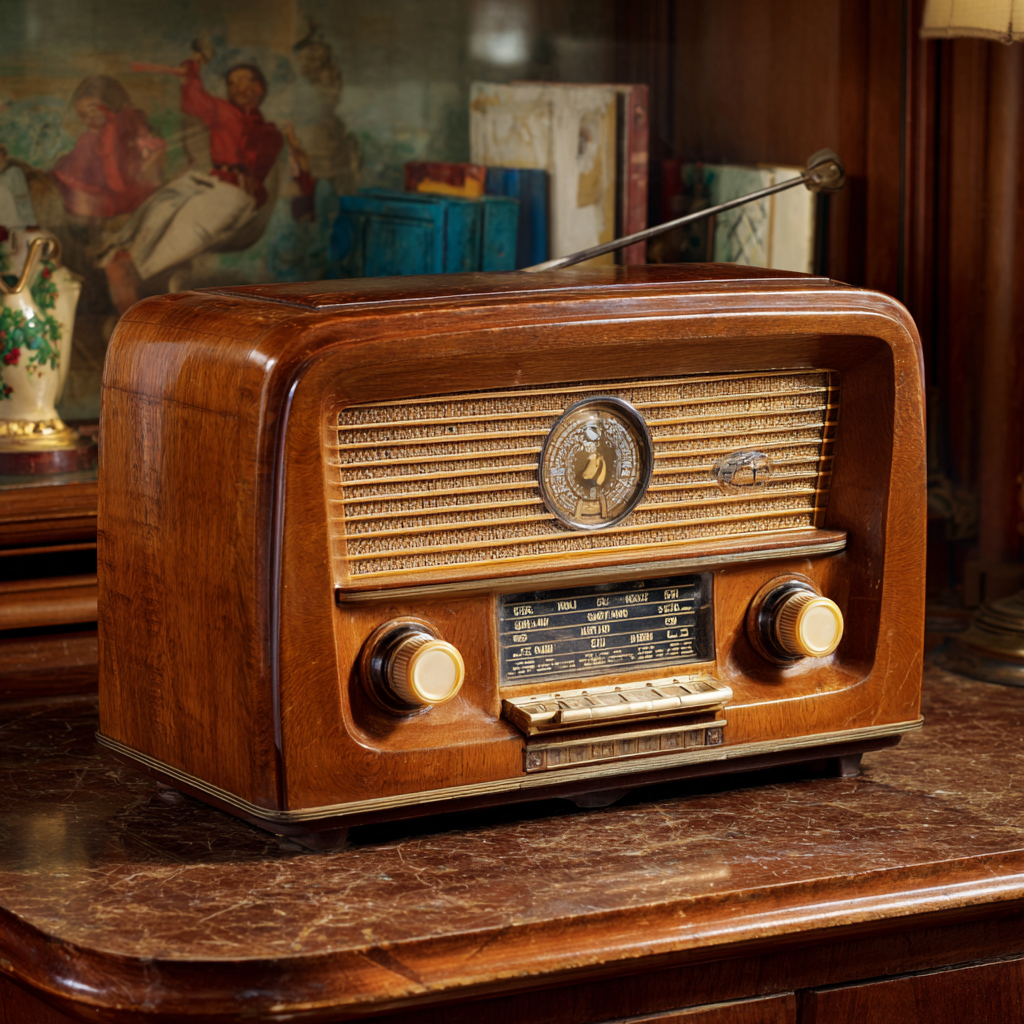
In the fifties, radios were cool and chic. As television grew in popularity, radios emphasized style, design, and 50’s funkiness—glossy dials, sculptural grilles, and cabinets that looked as good as they sounded.
Take a cue from that confidence: choose a few statement pieces that feel “designed,” not merely purchased, and let them set the tone for the room.
Fifties style works best in an open floor plan with simple, clean lines, a minimum of woodwork, and an abundance of natural light. Blond wood floors or low-pile wall-to-wall carpet and a neutral, pale paint palette (except in the kitchen, where vivid color reigns supreme), provide a fine backdrop for fifties furniture and accessories.
The trick is to keep the envelope calm while letting the objects have their fun. A soft off-white, warm gray, or pale celadon wall color makes chrome sparkle and bright plastics pop. Window treatments should be minimal—think simple rollers, crisp drapery panels, or nothing at all if your neighbors won’t mind.
Materials matter, too. This is a style that loves contrast: smooth against textured, shiny against matte, sleek against cozy. Pair a polished coffee table with a nubby upholstery. Set a glossy ceramic lamp atop a wood sideboard. The fifties are modern, yes—but they’re not sterile.
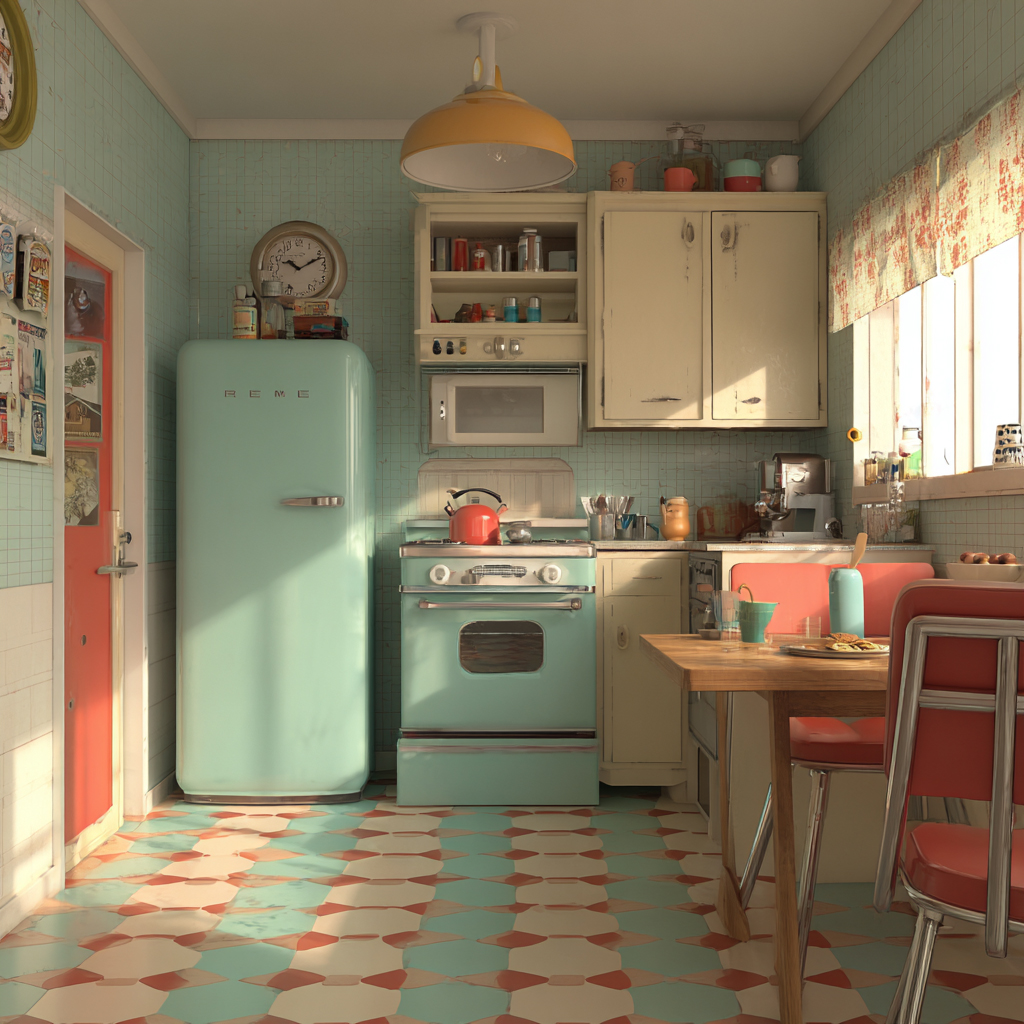
The kitchen is one of the most fun—and cheapest—fifties rooms to reproduce. All you need is black and white checkerboard flooring in tile or linoleum, a chrome and formica table with a sparkly-swirly pattern, and simple fitted cabinets. Bright period colors—red, lemon yellow, chartreuse—can (and should) appear on the table and countertops, cabinets, or appliances.
If you want the full “soda fountain” glow, add a couple of diner stools with vinyl seats, a cheerful wall clock, and a few pieces of bold graphic signage. Keep countertops uncluttered, and let a small selection of era-appropriate accessories—glass canisters, enamelware, or a sculptural toaster—do the talking.
And remember: fifties kitchens were designed for efficiency and conversation. Clear work zones, simple storage, and a casual eating spot are more authentic than any one collectible. If your budget is modest, paint is your best friend—choose one brave color and repeat it in two or three places for instant mid-century swagger.
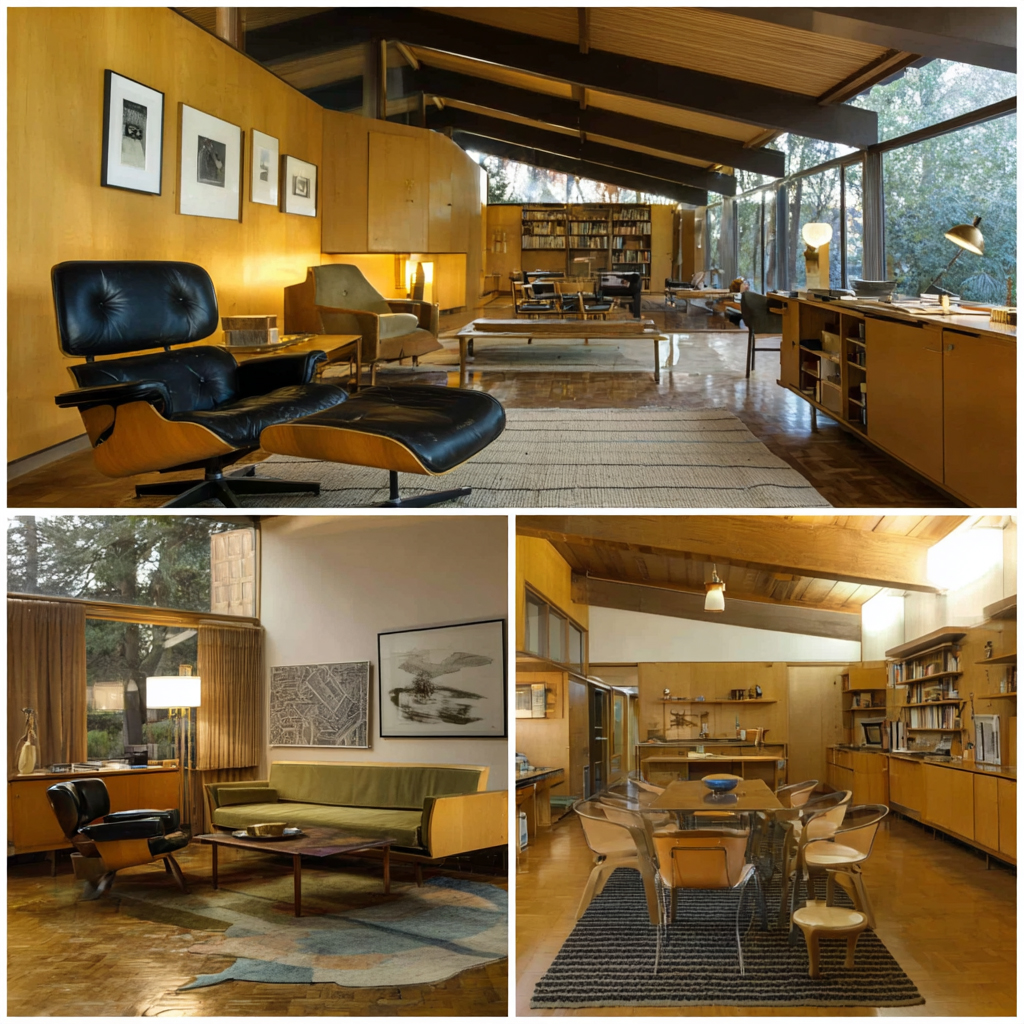
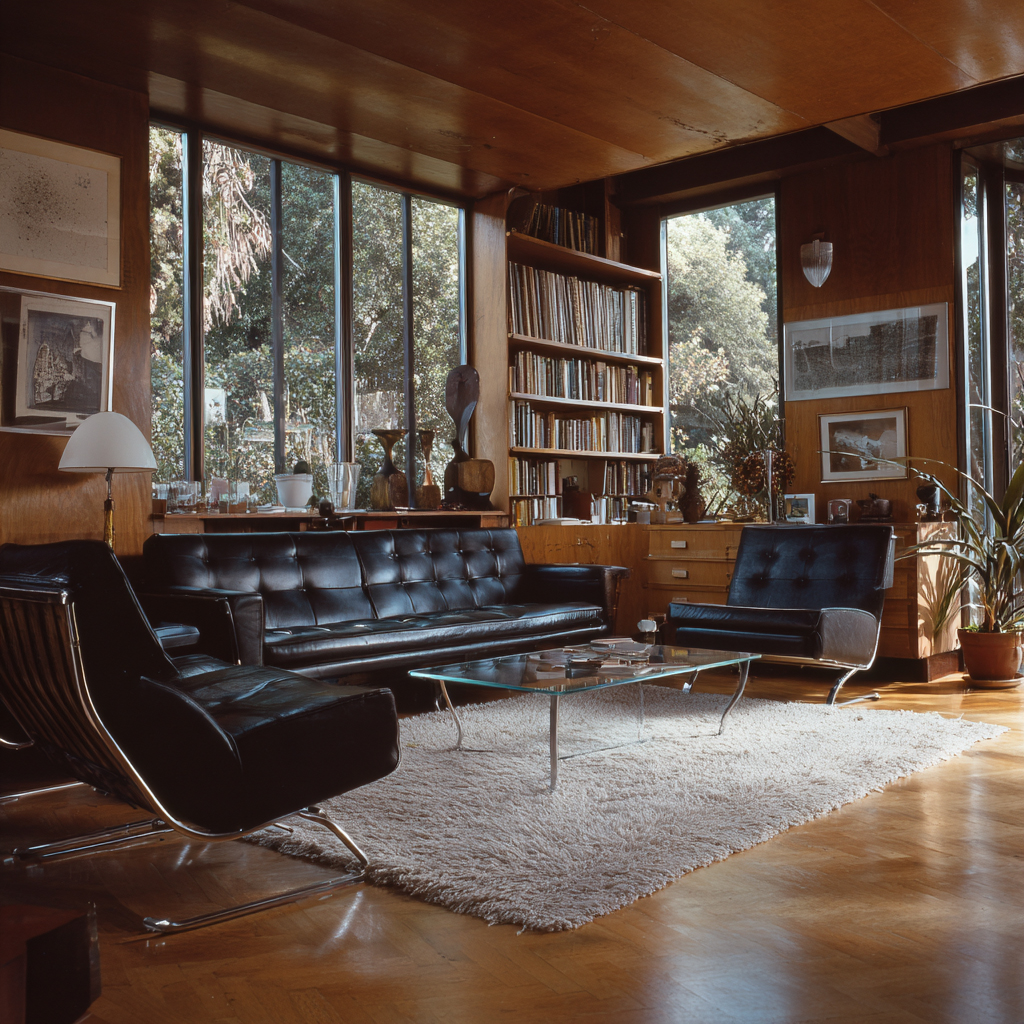
In the living room, look for sleek leather, plastic, and chrome furniture by Charles and Ray Eames; Heywood Wakefield pieces in streamlined blond wood; or anything by the influential Finnish architect Alvar Aalto, who pioneered the process of molding wood into curvilinear shapes.
Balance is the secret sauce. A room full of icons can feel like a showroom, but one or two strong mid-century silhouettes paired with simpler supporting pieces looks intentional and lived-in. Start with a sofa in a solid color, add a couple of leggy chairs, then bring in a coffee table that has a little curve—an oval, a kidney, an “amoeba.”
On the walls, skip the fussy gallery clutter. Choose one bold graphic print, an abstract painting, or a sculptural clock. Lighting should feel airy and clever: tripod floor lamps, cone shades, and the occasional starburst fixture make the room feel like it’s perpetually ready for a cocktail party.
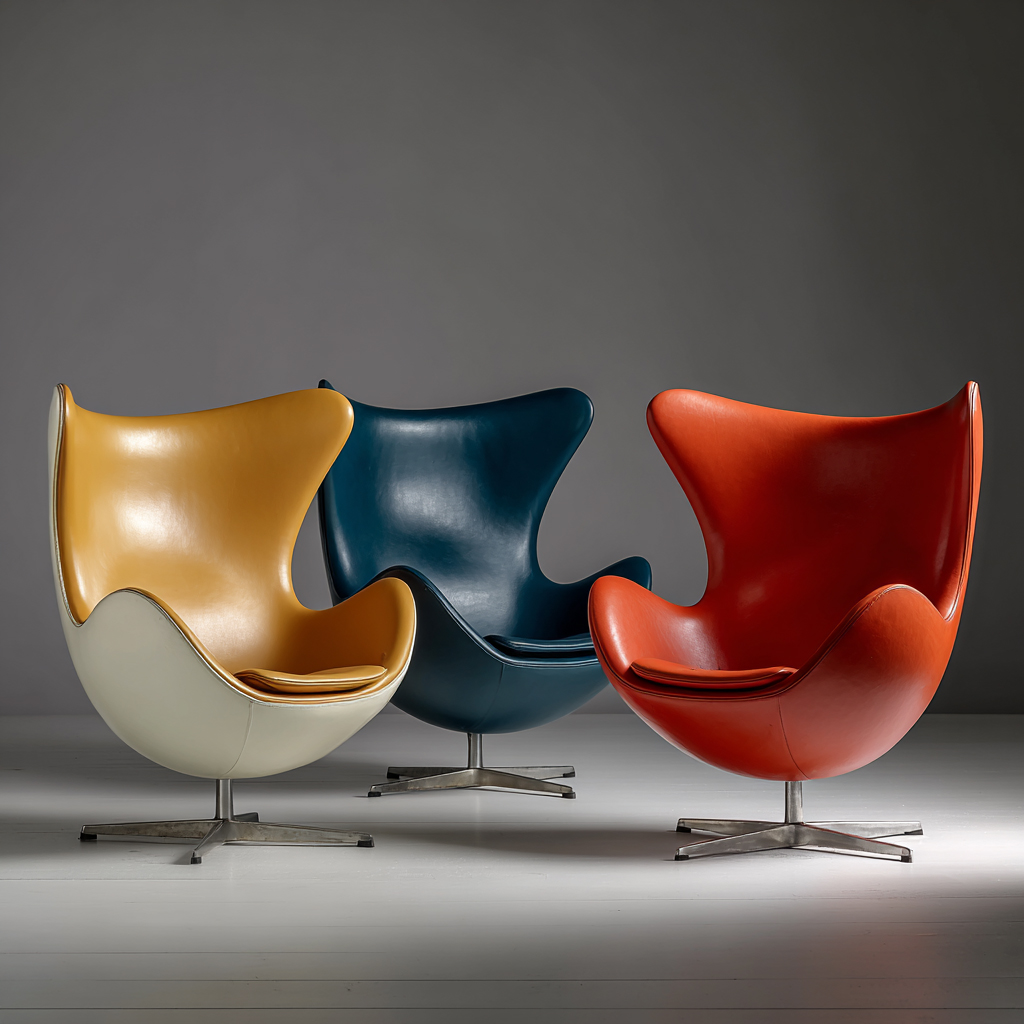
For a high-modernist look, invest in Arne Jacobsen egg, swan, or ant chairs. The sculptor Isamu Noguchi’s beautifully simple glass coffee table is another haute-fifties design icon. These pieces are the “little black dress” of the era—effortless, sculptural, and always appropriate.
If you’re more interested in Ozzie and Harriet than Eero Saarinen, pair a boxy sofa, upholstered in chartreuse and balanced on slender legs, with low-slung bent-wood armchairs and a glass or molded plywood coffee table. Add accents like space-age clocks, coat racks that resemble molecular models, spun resin table or floor lamps, wire sculptures, and fabulous fifties ceramic ashtrays in burnt orange or avocado green.
Textiles can quietly anchor the whole look. Choose geometric weaves, subtle boomerang motifs, or simple stripes. A single area rug with a clean pattern will define the seating zone without fighting the furniture. If the room feels too “hard,” soften it with one plush throw or a few pillows—just don’t overstuff the place. The fifties like a little breathing room.
Then shake yourself up a pitcher of martinis!
Elements of Style
Architecture & Layout
Open sightlines, simple trim, and rooms that flow together are fifties fundamentals. Let furniture “float” a bit—pulled off the walls, perched on legs, and arranged for conversation.
Signature Shapes
Kidney and oval tables, tapered legs, boomerangs, starbursts, and atomic bursts bring instant mid-century energy. Use one or two motifs per room so it feels crisp, not chaotic.
Materials & Finishes
Chrome, glass, molded plywood, vinyl, and smooth blond woods define the era. Mix shiny with soft: a slick surface beside a textured fabric keeps the room warm and human.
Color & Pattern
Start with a pale neutral backdrop, then add confident accents—turquoise, coral, chartreuse, sunny yellow, or tomato red. Patterns should be graphic and simple: geometrics, stripes, and playful “atomic” flourishes.
Lighting & Accessories
Choose sculptural lamps, cone shades, tripod bases, and starburst clocks. Accessories should feel designed: a few ceramics, a wire piece, a bold print, and you’re done.
Modern Shortcut
Want the vibe without the full costume? Keep your existing sofa, add one iconic chair or table, swap in a starburst clock, and introduce a single brave accent color in three places.
Color Essentials

Fundamentals of color. It will set you free!
Using color at home or in the office—for paintings, furniture, or any artistic challenge—takes a good eye, a little know-how, and a creative imagination. Create custom color schemes and color effects in your home or office. Learn how to use the best base color, create a glaze, mixing colors, and more.