
Americana Style
How to create the Americana style.
The basic furnishings of an Americana house are unpretentious, even homespun. Wide planked oak or pine floors and historic color tones such as muted greens and slate blues.
Outside the early American farmhouse, a wooden sign, carved in the shape of a pointing hand, sternly admonishes: "America: Love It or Leave It." And judging from the contents of the Americana-inspired home, the inhabitants choose to love it.
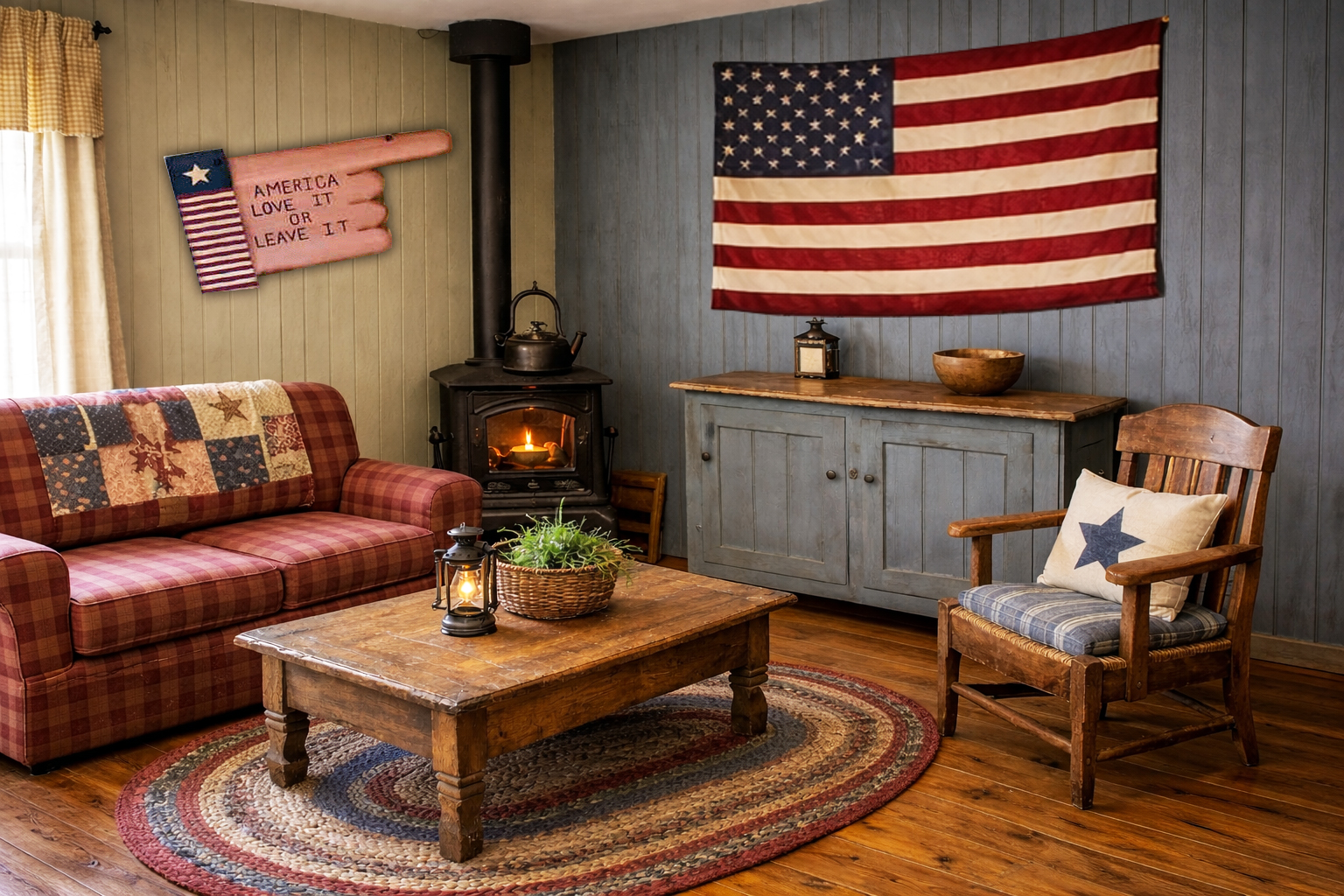
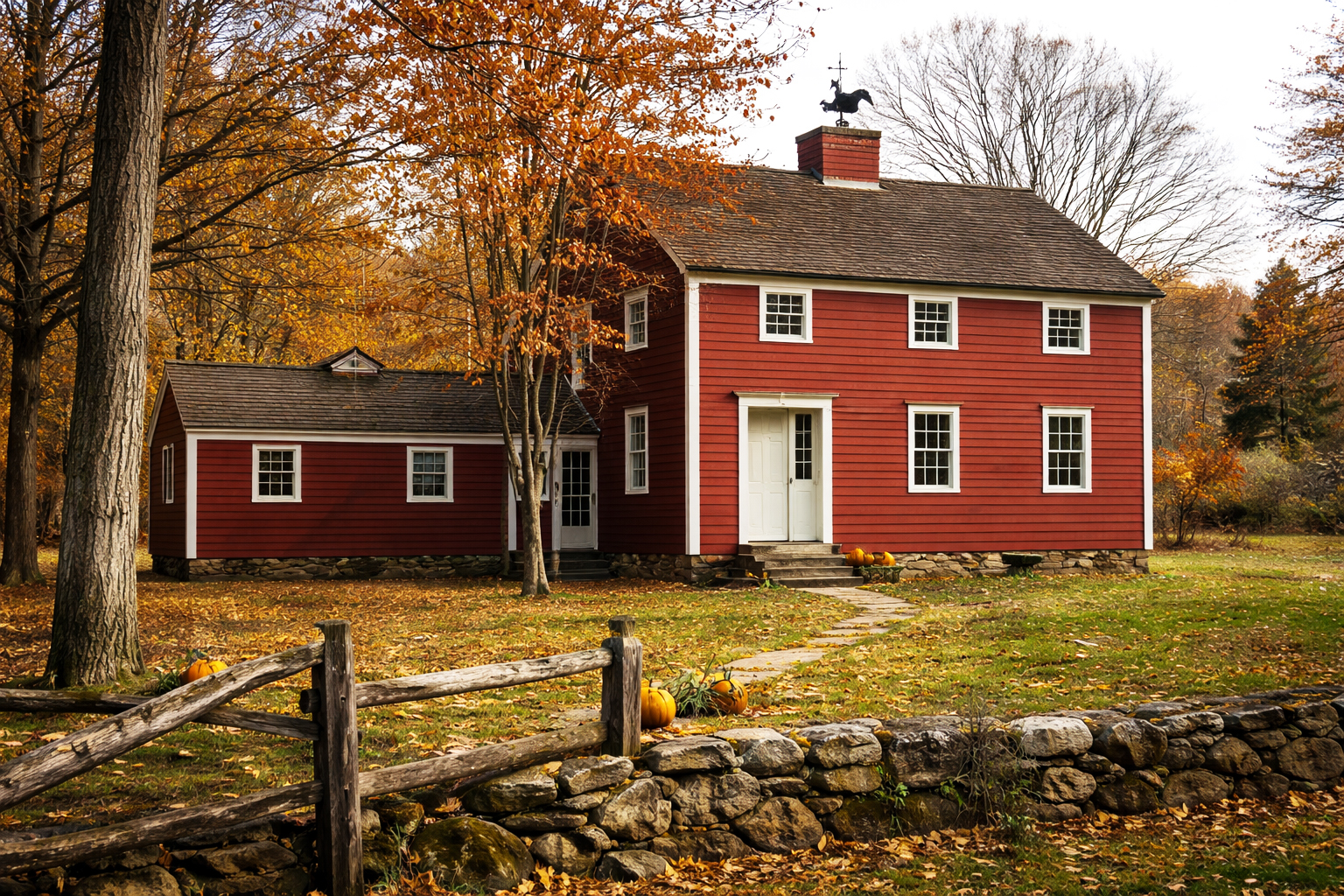
The house itself, built in 1783, testifies to 200 years of American ideals: simple, forthright lines, welcoming but plain spoken color, only the barest ornament in the form of a weathervane or whitewashed trim. Inside, though, a wealth of treasured Americana provides a touching testimony to a love of home -- and homeland.
The basic furnishings of an Americana house are unpretentious, even homespun. Wide planked oak or pine floors and historic color tones such as muted greens, slate blues and red or coral tones provide a rich historical backdrop. But it is in the details that the space is truly defined.
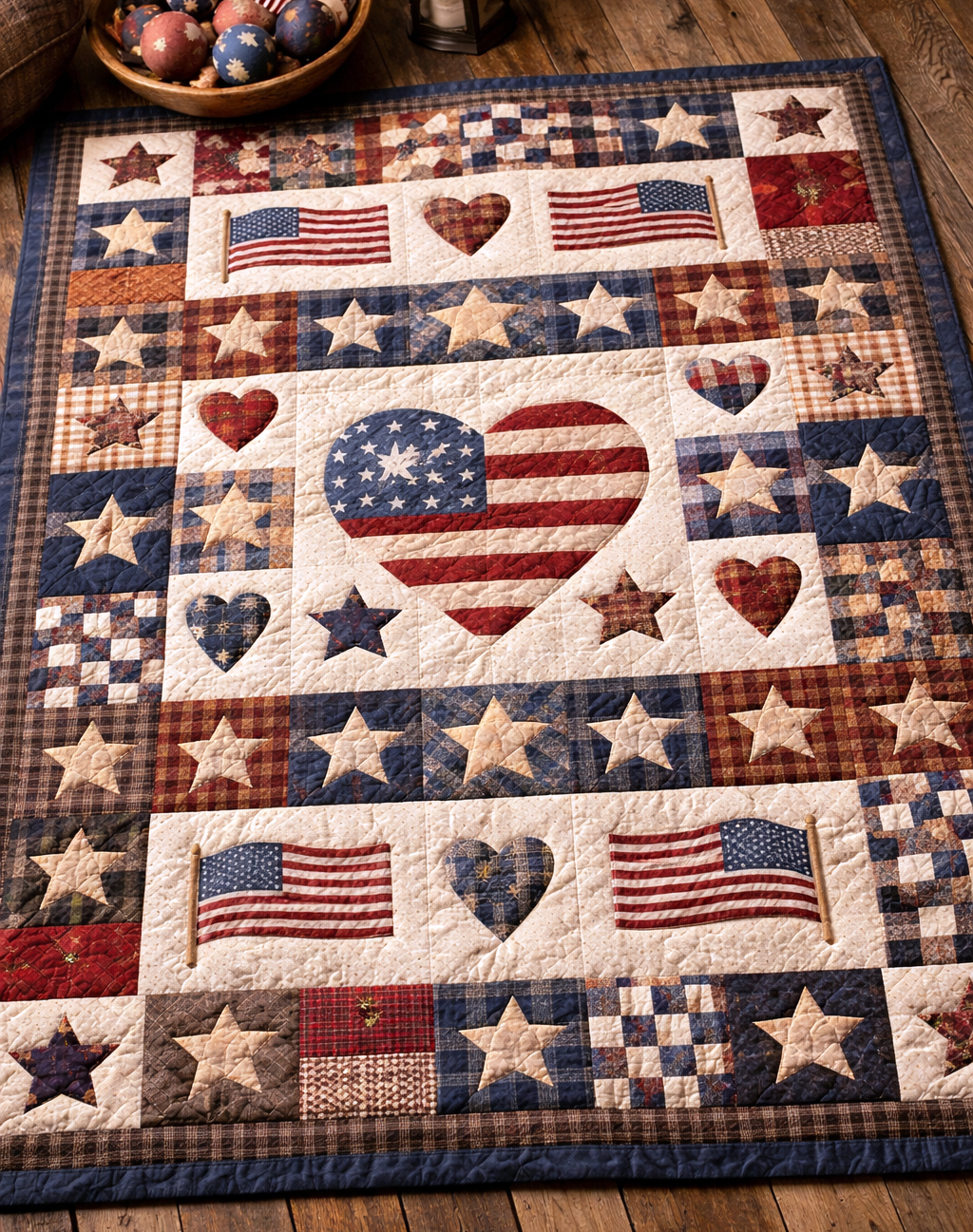
Decorative arts, both naïve and accomplished, often speak in the language of patriotism, drawing freely from a familiar palette of red, white, and blue. Stars and stripes appear again and again—sometimes rendered with careful precision, other times reimagined in charmingly offbeat or homespun ways. In formal rooms, where history and intention carry greater weight, a prized piece of folk art such as a finely stitched flag quilt can serve as both focal point and quiet storyteller, lending the space a sense of lineage and cultural memory.
Elsewhere in the house, the same symbols take on a more casual role. In hallways, kitchens, mudrooms, or laundry spaces, Old Glory finds expression in the everyday: a worn cotton runner, a stenciled motif on a cupboard door, a utilitarian textile pressed into service. Here, patriotism feels less ceremonial and more lived-in—woven into the rhythms of daily life rather than set apart.
A flag bedspread and pillows perk up a simple white bedroom set. A comfortable upholstered sofa is adorned with stars-and-stripes throw pillows, making for equal parts Betsy Ross and Edith Bunker.
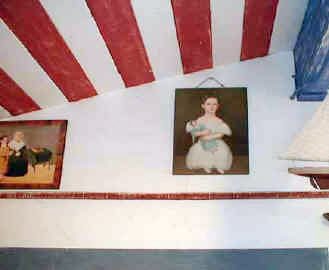
The Americana home must be neither a museum exhibit nor a kitsch palace. Its success lies in a careful negotiation between reverence and informality, where objects are allowed to feel used, even a little imperfect. A thoughtful mix of antique utilitarian artifacts—tools, textiles, furniture made for work rather than display—paired with patriotic crafts can create an engaging dialogue between past and present.
In one inspired corner, pictured above, this balance is struck with quiet confidence. Austere early American paintings, sober in palette and earnest in subject, hang calmly on the wall, their restraint underscoring a sense of historical gravity. Above them, however, the ceiling breaks into exuberance, boldly animated with red and white stripes.
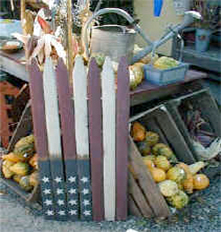
Inside and outside the house, loosely painted commonplace objects in red, white, and blue introduce a funky, down-home note that feels more intuitive than staged. A flag-themed stretch of picket fence, brushed on with an unstudied hand, or a weathered chair refreshed with patriotic stripes suggests affection rather than artifice.
For decorators unafraid of the junkyard aesthetic, the vocabulary of Americana can extend even further. Old farm machinery, worn tools, and salvaged auto parts—objects once valued solely for their function—can take on a surprisingly patriotic air when viewed through this lens.
Perhaps the most treasured finds of all for the Americana enthusiast are the truly commonplace objects of the past: toys, whatnots, and humble household wares that once passed quietly through daily life. When these pieces carry patriotic motifs, they feel especially resonant, evoking a time when national symbols were woven into ordinary routines rather than reserved for ceremony.
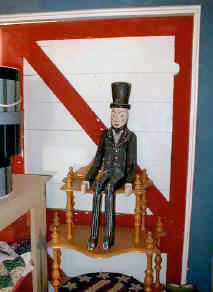
An Abe Lincoln dancing wooden doll serves as a lighthearted reminder that patriots of the past were not without humor or imagination. Such playful objects, carved or painted with an unselfconscious hand, humanize history, softening the solemnity often associated with national icons.
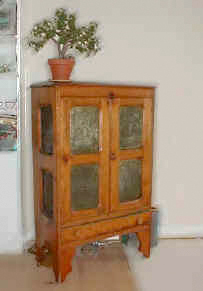
When paired with more substantial pieces of Americana—an antique pie chest, a timeworn worktable, or simple country furniture in the Shaker or Pennsylvania Dutch tradition—these whimsical accents gain unexpected depth.
Special Feature
English Country Style
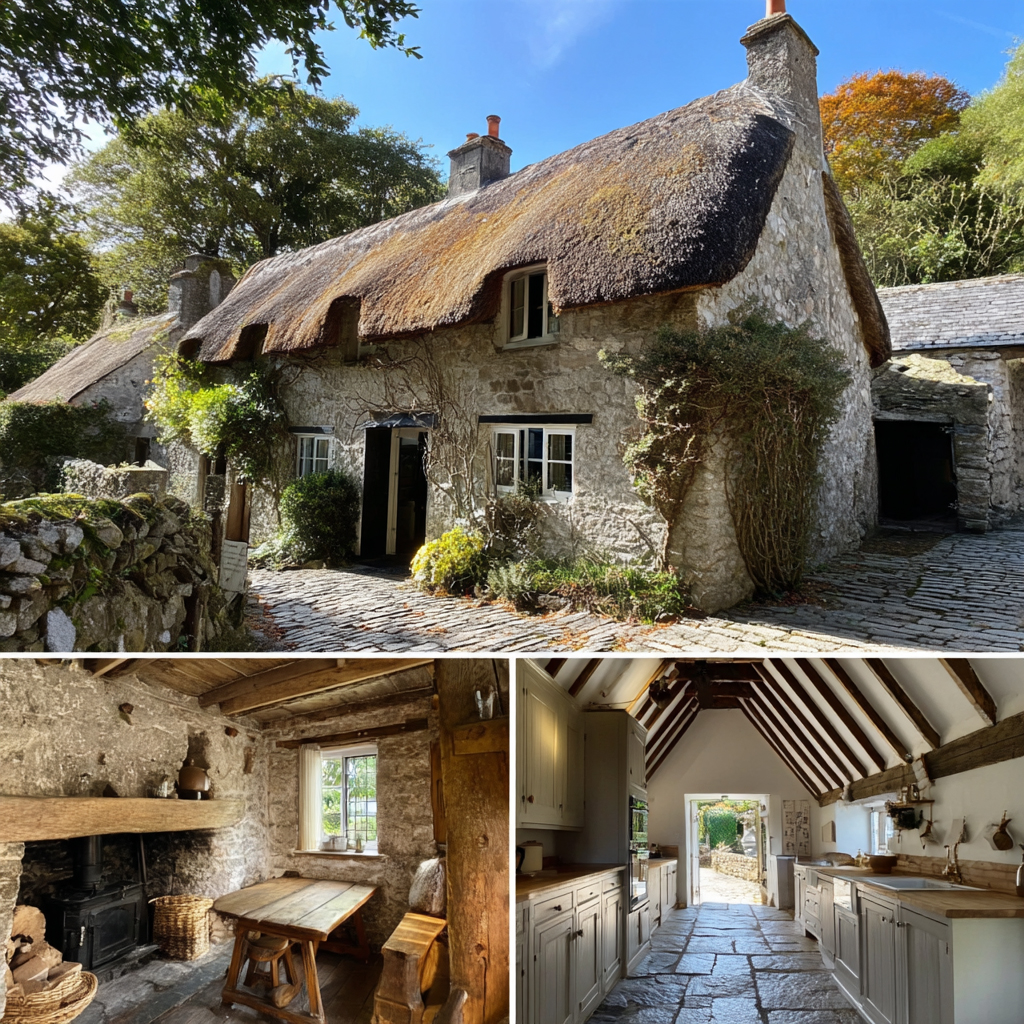
In the English countryside, pretty villages dot rolling hills and cobblestones line narrow medieval streets. Come in through the garden gate, and you'll find a steep thatched roof overhanging ancient leaded glass windows. Old garden roses creep around the carved oak door. The grounds, whether a picturesque cottage garden or the rolling parkland of the local manor house, are lovingly cared for.
Discover more about English Country Style.
Step-by-step Tutorial
Stenciling Effect
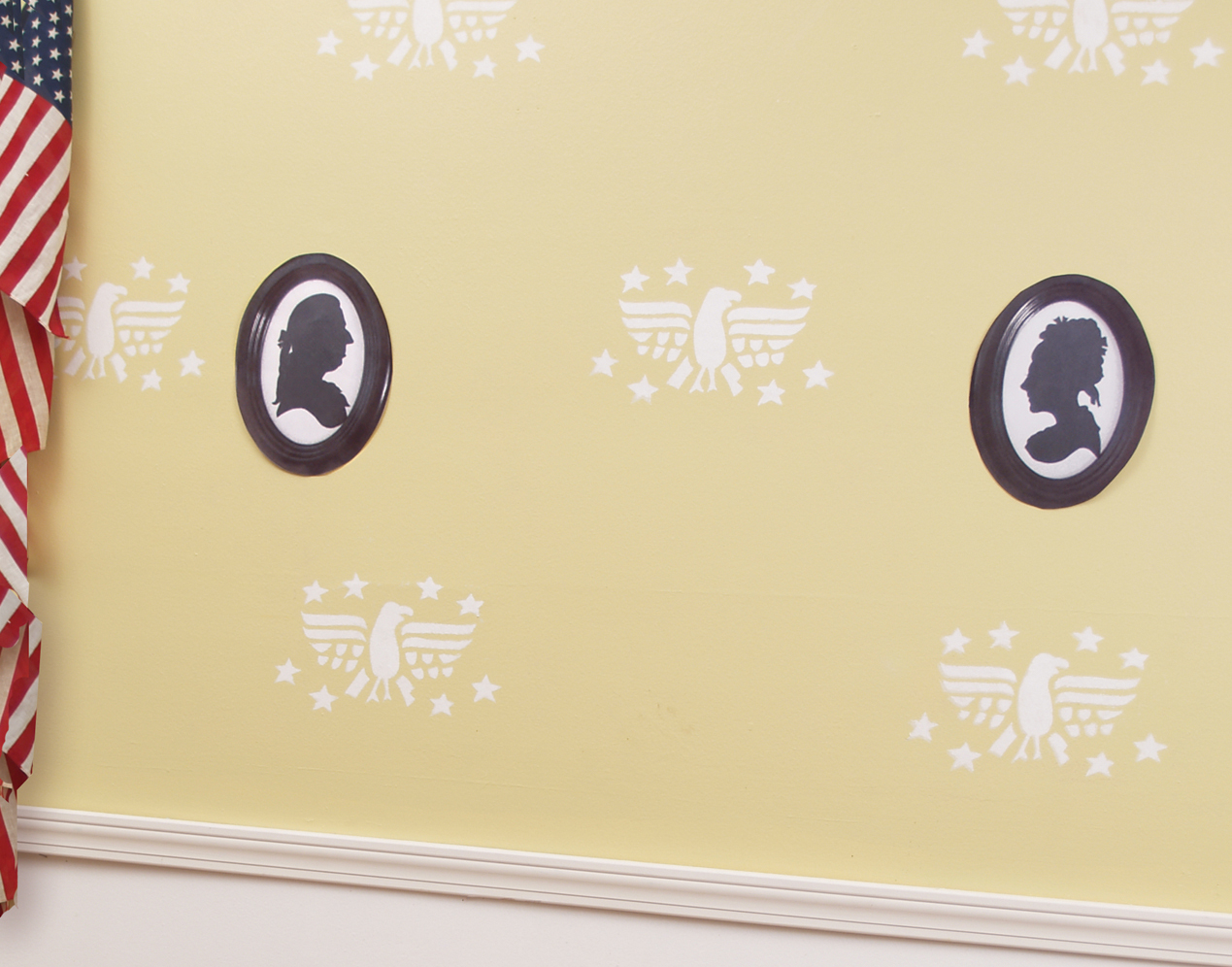
The decorative art of stenciling traces its origins back to ancient civilizations, including Egypt, where artisans used early stencil techniques to repeat symbolic motifs on walls, textiles, and ceremonial objects. Over centuries, this method evolved into a versatile and accessible way to introduce pattern, rhythm, and storytelling into interior spaces.
Stenciling experienced a major revival during the Victorian era, when intricate borders, floral repeats, and geometric patterns were commonly applied to walls, ceilings, and architectural details. These designs added richness and visual structure to interiors, often mimicking more expensive hand-painted or wallpapered finishes. At the same time, folk artists embraced stenciling as a practical and expressive technique, decorating furniture, trunks, floors, and walls with charming, handcrafted motifs that reflected regional styles and traditions.
Today, stenciling remains one of the most approachable decorative painting techniques, offering both beginners and experienced artists the ability to achieve professional-looking results with minimal tools. From subtle tone-on-tone designs to bold contrasting patterns, stenciling can be adapted to suit a wide range of aesthetics—from rustic and traditional to clean and contemporary.
Whether you are enhancing a feature wall, adding a decorative border, or revitalizing furniture, this technique allows for precision, repeatability, and creative flexibility. With the right materials—high-quality stencils, proper brushes or sponges, and well-prepared surfaces—you can build layered effects that feel both intentional and handcrafted.
Follow our easy-to-understand Step-by-step tutorial to learn proper loading techniques, paint control, layering methods, and tips for achieving crisp, clean edges every time. With a little practice, stenciling becomes an indispensable tool in your decorative arts repertoire.
Feature Product
Stencil Brush 432
Stencil Brush
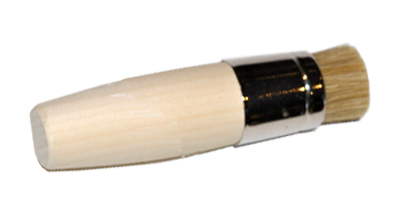
Stencil brushes are special brushes with short firm bristles. When used properly they distribute a thin and even layer of paint. This reduces the chance of getting paint under the edge of the stencil. Made in Germany
Early American Style
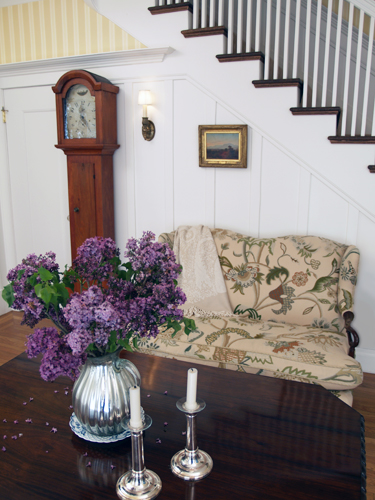
Colonial Amercians drew inspriation from their European heritage. Curent design styles would filter across the ocean and become reinventedin early America. Proportion and scale took reign over ornementation, A neutral color palette of grey blue, greens and rose pinks is readily apparent.
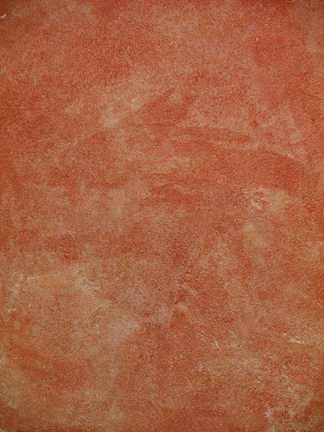
Stucco Rustico - Aged Plaster
Stucco Rustico is a Traditional interior and exterior textured plaster that epitomizes the rustic old world charm commonly associated with Tuscan environments.

The Rustic Color Palette
The Rustic Style color palette falls within a distinct range of color tones and is essential in creating a successful Rustic interior.
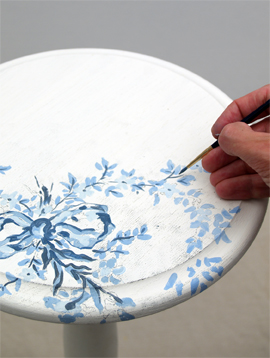
Painted Floral Details
Floral patterns used as accents in fabrics and furniture are common place details in the English Country home.