
Flea Market Style
Collected, curious, and completely yours—flea market style is classy, kitschy, and everything in between.

Weekends spent at swap meets and yard sales pay off with the most individual style of all. If you're among the truly inspired, you can put together a distinctive decor with quirky second-hand finds—objects with a past, a story, and often a little charming wear that no factory can fake.
From the formal to the funky and the exquisite to the weird, flea market style is shaped more by individual preferences than by any rigid set of rules. The key is to mix and match decades, regions, and materials to come up with your own singular blend. You’re not decorating to impress a museum curator; you’re collecting what makes you smile, then giving it a place to live.
For flea aficionados, the fun is as much in the process as the finished product. The hunt sharpens your eye: you learn to spot good bones under bad paint, quality under dust, and personality under someone else’s idea of “ugly.” Suddenly, a chipped planter is a centerpiece, a faded portrait becomes a conversation starter, and an old tool handle looks downright sculptural.
One warning: flea market style can become a little… enthusiastic. The goal isn’t to pile treasure in every corner like a pirate captain with a storage unit. The goal is curation—selecting, editing, and unifying your finds so the room feels collected, not chaotic.
Formerly functional items—old kitchen utensils, gardening tools, apothecary bottles—become purely aesthetic attractions. A battered rolling pin looks handsome in a crock; a crate becomes shelving; a stack of hat boxes becomes storage with flair. Collectibles like sports memorabilia, snuff bottles, and antique books can provide a focus, both for your decor and for your weekend rounds of local garage sales.
Collections work best when they’re intentional. Choose a theme (vintage linens, small framed art, ceramic figurines, thread spools, matchbooks, postcards), then repeat it in small doses across a room. The repetition creates rhythm; the variety keeps it playful.
Pro tip: Give every “pile” a purpose. If it doesn’t store, display, or delight—edit it out.


The middle years of the twentieth century provide some of the most fertile ground for flea market style. Think bakelite phones, fiberglass lampshades, chrome and formica dinette sets. Look for kitschy knick-knacks like flying duck wall plaques, pin-up posters, and atomic-motif ashtrays. These pieces bring instant personality—and they play beautifully with simple modern backdrops.
But don’t stop at one era. Flea market style loves a good handshake between decades: a streamlined mid-century lamp beside an ornate gilt frame, or a farmhouse table paired with a set of thrifted metal chairs. The secret is balance—one “loud” piece, then several quieter ones that let it sing.

For the cocktail set, a plywood boat bar is a true prize. Those who are serious about their period detail will seek out antique kitchen appliances like an enamel gas range on raised legs. And if the flea gods smile on you, perhaps you'll come away with an Eames chair or an orange vinyl diner booth.
Even if you never find the legendary “big score,” small wins add up fast: a pair of brass candlesticks, an old mirror with foxing that looks like accidental art, a set of mismatched glasses that somehow match perfectly. In flea market style, the imperfect often feels more alive than the pristine.
If your tastes run more to hand-painted china or vintage linens, these refined objects can also be found at neighborhood garage sales and auctions. Flea market shopping requires a little more time (and comfortable shoes), but the hunt for great junk is addictive!
To keep the look from drifting into clutter, create “breathing space.” Give your best finds room to shine: one statement vignette per wall, one strong collection per shelf, and a few calm surfaces for the eye to rest. When everything is special, nothing is special.
Elements of Style
Signature Mood
Eclectic, collected, story-rich. Flea market style looks like a lifetime of good taste—acquired one Saturday morning at a time.
Materials & Patina
Wood with wear, tarnished metals, chippy paint, aged paper, glass with bubbles, and textiles with soft fade. Patina is not damage—it’s character.
Mixing Rules (the flexible kind)
Blend eras and textures, but repeat a few unifying elements: one dominant metal finish, a consistent wood tone, or a limited color palette that ties the room together.
Color Approach
Let your finds lead. Pull two or three colors from a vintage rug, painting, or fabric, then echo them subtly around the room for cohesion.
Display & Vignettes
Group objects in odd numbers, vary heights, and mix shapes. Use trays, books, or small risers to keep collections looking curated instead of scattered.
Finishing Touch
A soft antique glaze or gentle wax can unify mismatched pieces in minutes—like a visual “filter” that makes everything feel intentionally collected.
Tutorial: Turn a Flea Market Find into a Collected Treasure
Here’s the flea market secret: you don’t need a perfect piece—you need good bones and a good finish. This quick antiquing approach works beautifully on frames, small tables, boxes, trays, and most painted furniture.
Step-by-step (simple, forgiving, and very satisfying)
- Clean first. Remove dust, wax, and mystery grime with a gentle cleaner and let it dry completely.
- Scuff & smooth. Lightly sand glossy areas so your finish can grab. Wipe clean.
- Base color (optional). If the piece is too loud—or too sad—apply a fresh base coat in a calm, classic tone.
- Add an antique glaze. Brush on glaze and wipe back, letting it settle into details, corners, and carvings.
- Age the edges. Lightly sand edges and high points to reveal layers and create natural-looking wear.
- Seal if needed. Use a clear protective topcoat for tabletops or high-use items.
Done properly, the finish looks like it lived a whole life before it found you—which is exactly the point.
Recommended features & supplies
- Antique Glazes – the fastest way to add depth, age, and instant “collected” character.
- Brushes – a good brush makes glazing smoother and wiping easier (and your patience lasts longer).
- Decoupage – perfect for dressing up boxes, trays, tabletops, and “almost cute” furniture.
- Paint Supplies – sanding, prep, and sealing tools that make finishes look intentional, not accidental.
Antiquing Video Tutorial
Turn ordinary objects into heirlooms! Learn to create a classic antique glaze finish for objects, furniture, walls, and more—complete with easy color-mixing guidance for a believable aged look.
Color Essentials

Fundamentals of color. It will set you free!
Using color at home or in the office—for paintings, furniture, or any artistic challenge—takes a good eye, a little know-how, and a creative imagination. Create custom color schemes and color effects in your home or office. Learn how to use the best base color, create a glaze, mixing colors, and more.
Flea Market Style Inspirations
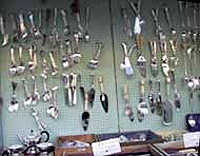 Where else can you find a match to grandma's silver?
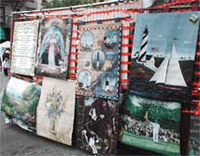 Paintings, prints, and photos abound.
 Get these gnomes off the yard and bring them indoors!
 Don't wait for that house in the woods...
 An unexpected “angel with flowers” sconce is both whimsical and quirky.
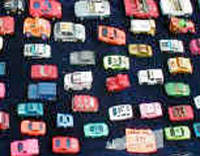 Yup, you can still collect matchbox cars!
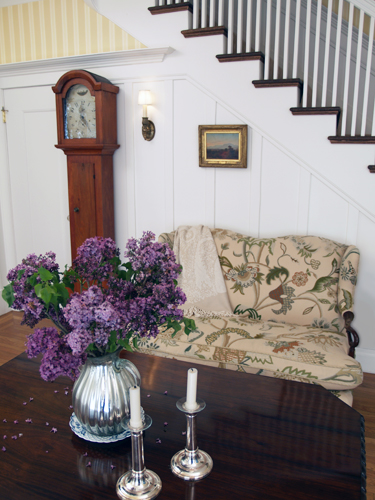
Early American Style
Colonial Americans drew inspiration from their European heritage. Current design styles would filter across the ocean and become reinvented in early America. Proportion and scale took reign over ornamentation, and a neutral color palette of gray blues, greens, and rose pinks is readily apparent.
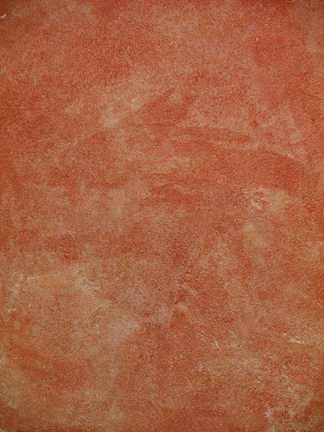
Stucco Rustico - Aged Plaster
Stucco Rustico is a traditional interior and exterior textured plaster that epitomizes the rustic old world charm commonly associated with Tuscan environments. I love this treatment for its ease of application and the natural, organic glazed appearance that results when using mineral based plasters and glazes.
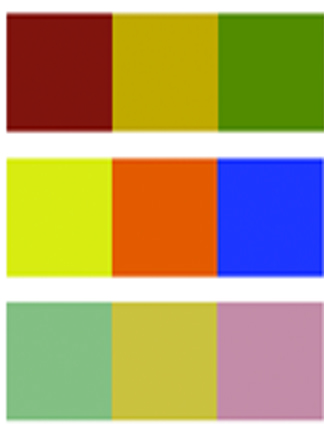
The Rustic Color Palette
The Rustic Style color palette falls within a distinct range of color tones and is essential in creating a successful Rustic interior. By using the appropriate color tones you can create a variety of design styles ranging from Period and Historic, regional or thematic.
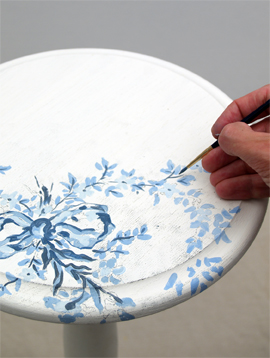
Painted Floral Details
Floral patterns used as accents in fabrics and furniture are commonplace details in the English Country home. These graceful and organic patterns complement the cozy interior of this style and work particularly well with lace window treatments and the natural charm of wooden ceiling beams.