
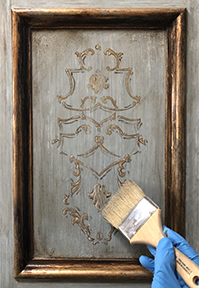
Perfect Antique Glaze
Creating water based antique glazes for furniture and objects. Non-toxic water based glaze.
Antiquing Basic Principles - For use on walls, furniture, objects, and in fine arts techniques.
Create old world effects and charm using acrylic paint and water based glaze solutions. Antiquing is the process of aging a surface to produce a time-worn appearance. There are many methods of antiquing objects, furniture, mural paintings and wall surfaces. These include paint effects, waxes, weathering, and physical distressing techniques that mimic the natural aging process.
About Glazing
Glaze refers to a substance that is thinned to create a transparent or translucent film of color. Diluting any paint substance, tinted varnish or tinted water essentially can produce a glaze.
To produce an acrylic/latex-based antique glaze mix the colors from the ‘Classic antique glaze’ in their proper proportions.
Acrylic glazes should be applied over a water-based, latex basecoat (emulsion), of the color of your choice. Eggshell sheen is preferable, but never flat (matte) finish. Matte sheens can absorb the glaze at irregular rates, making it difficult to keep the glaze moving while it sets up. Higher sheens, like semi-gloss or gloss, are too slick and the glaze has a difficult time bonding to the surface during your application time.
What is an "Antique Glaze'?
Antiquing is the process of aging a surface to produce a time-worn appearance. There are many methods of antiquing objects, furniture, mural paintings and wall surfaces. These include paint effects, waxes, weathering, physical distressing and accent- antiquing that mimic the natural aging process by replicating such things as fly specks and worm holes.
Antique paint effects with glazes:
Generally, paint and glaze antiquing methods can be used universally on furniture, objects, murals, gilt surfaces, floors, painted ceilings and walls to create an aged look. The color combinations that create a ‘classic antique glaze’ remain the same whether using oil based (alkyd) or water based (acrylic) products.
Acrylic-based antiquing glaze
Choosing the right colorant for your glaze
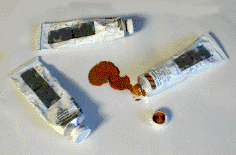
Artists acrylic paint Acrylic paint for fine artists can be used with acrylic glaze coat, acrylic matte medium, latex varnishes and water. Acrylic glazes dry quickly. They work well over small areas, objects and furniture but can be difficult to work over large surfaces. ‘Burn’ marks may appear due to overlapping of glaze color when working from one area to another. Often a latex extender, like 'Floetrol' can be added to extend the drying time when working on large areas. Excellent for antiquing objects, paintings and small furniture.
Solvent used for acrylic glazes: water
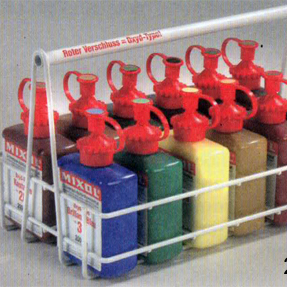
Mixol Universal tinters Mixol universal tinters can be mixed with oil- or water-based products. Essentially pure pigment with very little binder, Mixol universal tinters must be used in conjunction with an additional binder such as paint, glaze coat or varnish. A very strong coloring agent, a little goes a long way. Always add small amounts of universal tinters (sometimes drop by drop) until desired color is reached. Mixol universal tinters can be intermixed to create a wide color palette and it recommended that a test area or sample board is used to determine proper dilution amounts and color balance.
More about Mixol universal tinters.
Classic Antique Glaze Recipe
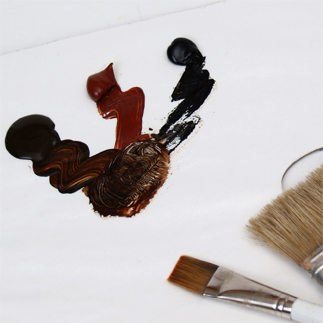
We come up with a standardized mixing formula for a 'Classic Antique Glaze' that most closley represents the natural aged toning of objects over time. This umber/brown tone works well over objects and furniture, aging over gilded surfaces and anything you want to look older or time worn.
Mixing these 3 colors will create the 'Classic Antique Glaze' tone suitable for most any object needing some basic aging. Of course, you can play with the blending proportions, but we've found this ratio blend to be quite versatile.
3/6 Raw Umber
2/6 Burnt Sienna
1/6 Van Dyke Brown
Thinning your color glaze to the correct transparency.
Thinner- water
Varying the amount of thinner will adjust the darkness or lightness of the antique glaze.
This recipe can be used alone or adjusted for specific decorative finishing jobs with the addition of a glaze coat, or varnish. Some decorative treatments, including color washing, rag-rolling, marbling and wood graining, require the use of glaze coat.
More features you may like
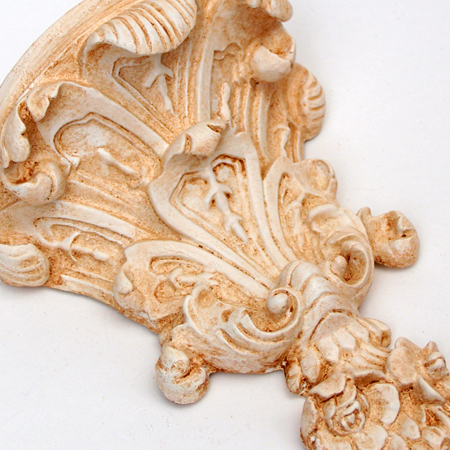 Antique Glaze for Objects
 Classic Antique Glaze Recipe
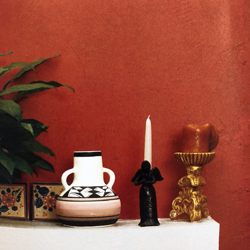 Antique Plaster Finish
 Antique Red Lacquer Finish
 Antique Parchment Glaze
 Antique Bronze Finish
More features you may like
 Basic Plaster Finish
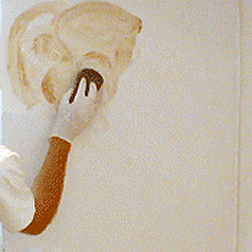 Basic Antique Plaster
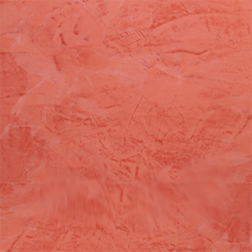 Venetian Plaster
Antique Plaster Finish
Venetian Plaster
Antique Plaster Finish
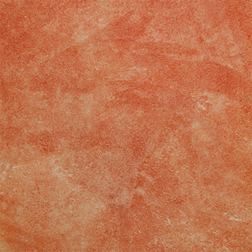 Stucco Rustico
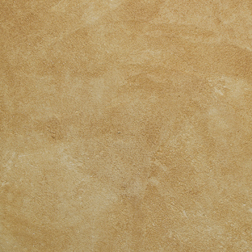 Aged Plaster
Decorative Paint Effects
Plaster Effects
Antique Center
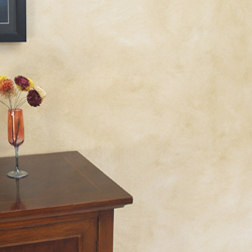 Wall Effects
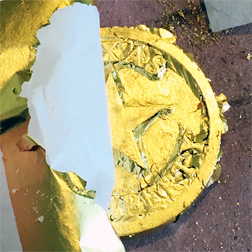 Gilding Techniques
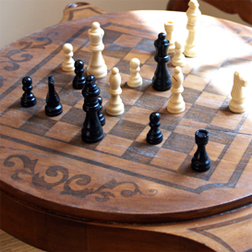 Furniture Effects
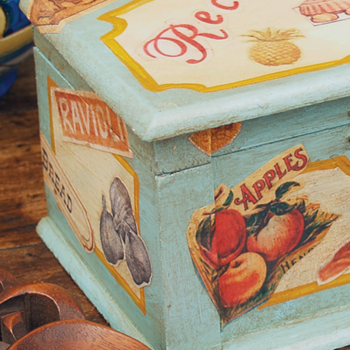 Faux Effects
Oil Gilding Video Tutorial
Quick Dry oil size gilding. This detailed demonstration shows you how to apply genuine gold, Silver, imitation gold, aluminum and copper leaf to objects and furniture using the classic 3 hour oil size method. Brought to you by the folks at gildedplanet.com, you'll learn about types of adhesive, testing for 'tack' and drying rates, easy leaf application tips and cleaning and burnishing the leaf.
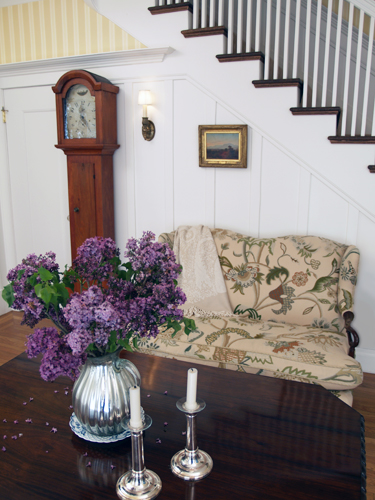
Colonial Amercians drew inspriation from their European heritage. Curent design styles would filter across the ocean and become reinventedin early America. Proportion and scale took reign over ornementation, A neutral color palette of grey blue, greens and rose pinks is readily apparent.
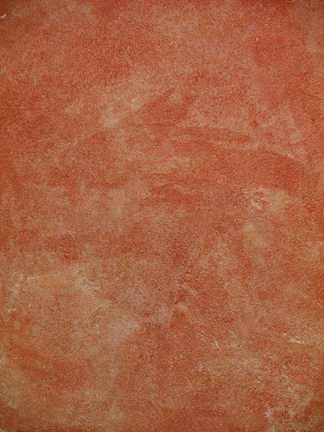
Stucco Rustico - Aged Plaster
Stucco Rustico is a Traditional interior and exterior textured plaster that epitomizes the rustic old world charm commonly associated with Tuscan environments. I love this treatment for its ease of application and the natural, organic glazed appearance that results when using mineral based plasters and glazes. Whether a rough application or a smooth finish, this treatment holds true to the test of time and, in fact, feels as if time itself stopped to wash the walls personally.
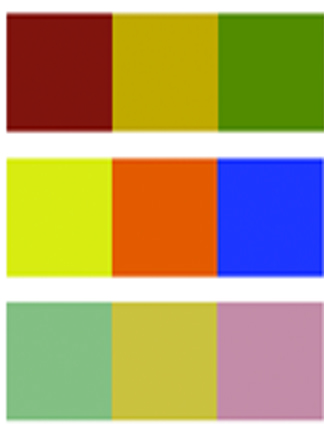
The Rustic Color Palette
The Rustic Style color palette falls within a distinct range of color tones and is essential in creating a successful Rustic interior. By using the appropriate color tones you can create a variety of design styles ranging from Period and Historic, regional or thematic. Color helps define our experiences within an interior and exterior environment. It affects us on a physical, emotional, and spiritual level and can be calming and passive, expressive and vital.
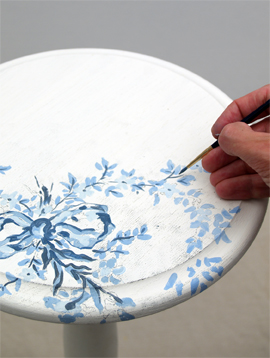
Painted Floral Details
Floral patterns used as accents in fabrics and furniture are common place details in the English Country home. These graceful and organic patterns complement the cozy interior of this style and work particularly well with lace window treatments, an heirloom tea service set and the natural and rustic charm of wooden ceiling beams and slightly irregularly textured walls.